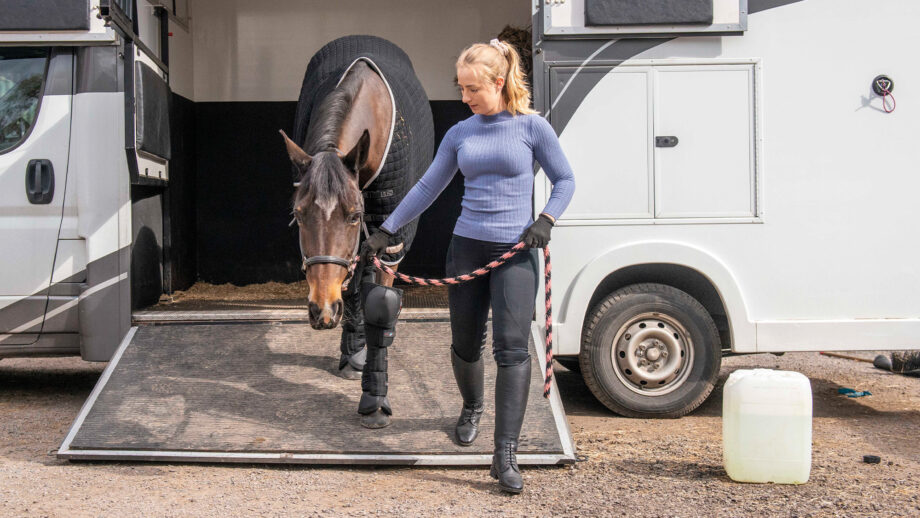
Some horses travel more frequently throughout their life than others, but a bad journey can have serious consequences, so we’ve put together some tips for transporting horses to ensure both you and your horse have as stress-free a journey as possible.
Between the team at Horse & Hound, we have decades of experience transporting horses of our own, so we know what it’s like to be taking your first solo trip – these tips will help first-timers as well those who’ve been doing it a while.
Tips for transporting horses
1. Pack first, load after
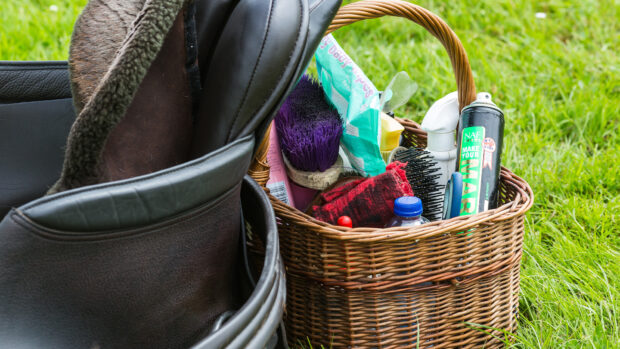
Take the time to pack everything you need – both for the journey and in case of emergency – before you load your horse. This will ensure he doesn’t spend any more time standing on the box than he needs to. View our horse travel kit checklist.
2. Pack extras
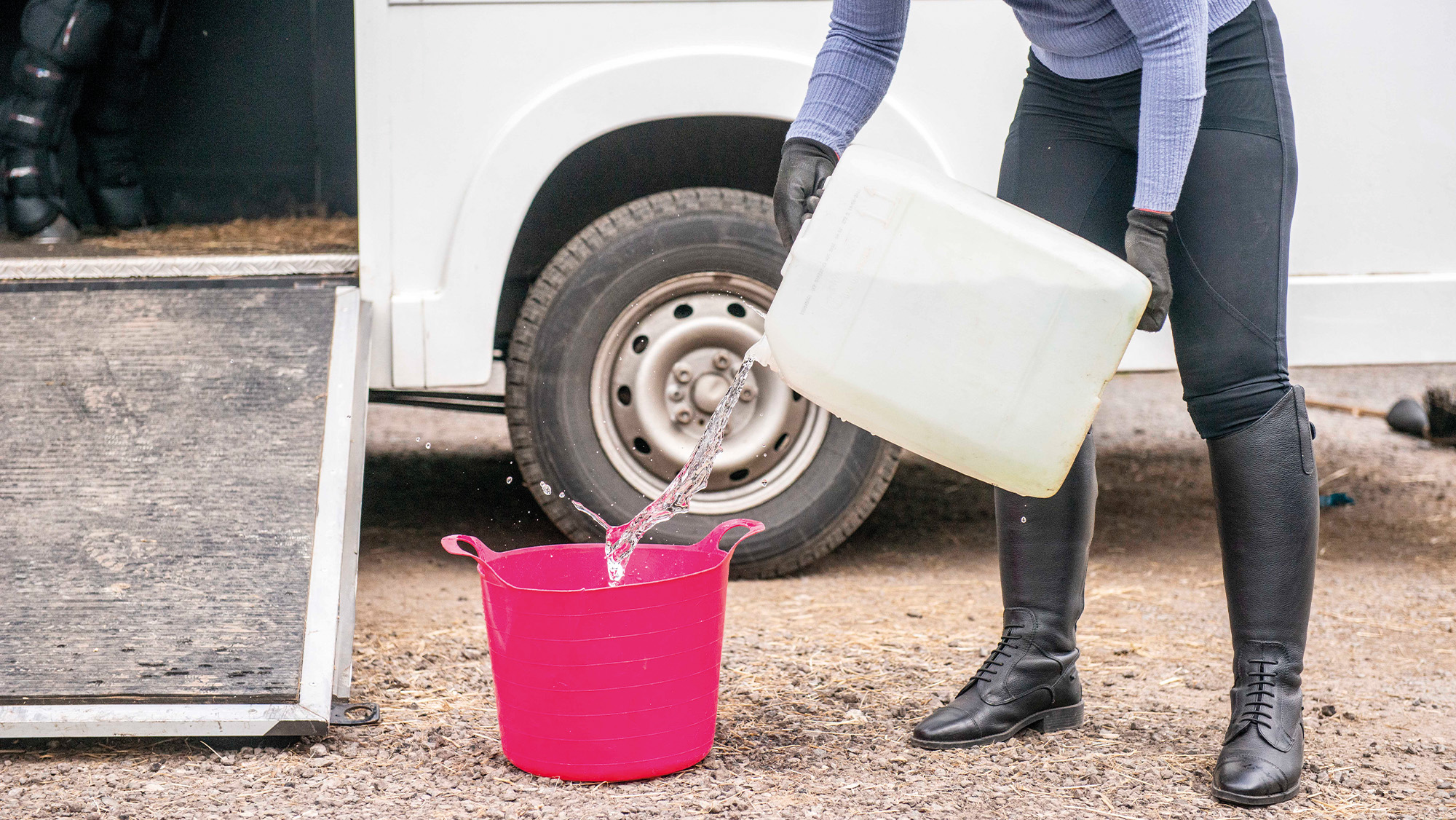
Ensure that you carry extra hay and water for your horse, plus warm clothes and refreshments for you, just in case.
3. Always travel with your horse’s passport
Make sure your horse’s passport is on board as it’s illegal to transport your horse without it.
4. Allow plenty of time to load
Don’t rush as loading can be a stressful part of travelling for horses. Make sure you stay calm, too, and avoid getting frustrated if your horse doesn’t load first time.
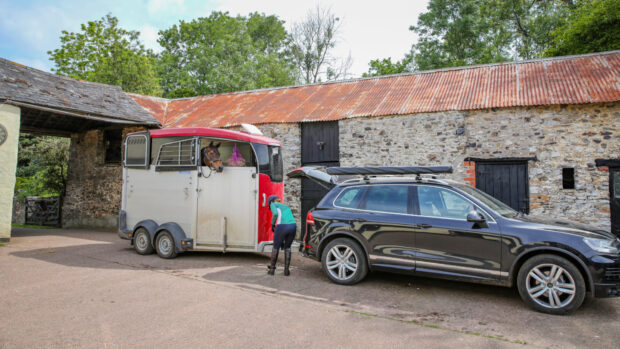
If your horse is young or inexperienced, practise loading your horse into your vehicle before he is going to travel. Park the lorry or trailer next to a wall, if you can, to help channel him into the box. Also parking your lorry or trailer so your horse is walking towards their stable or field as they load can sometimes help. If parking on sloping ground, position your vehicle to minimise the steepness of the ramp.
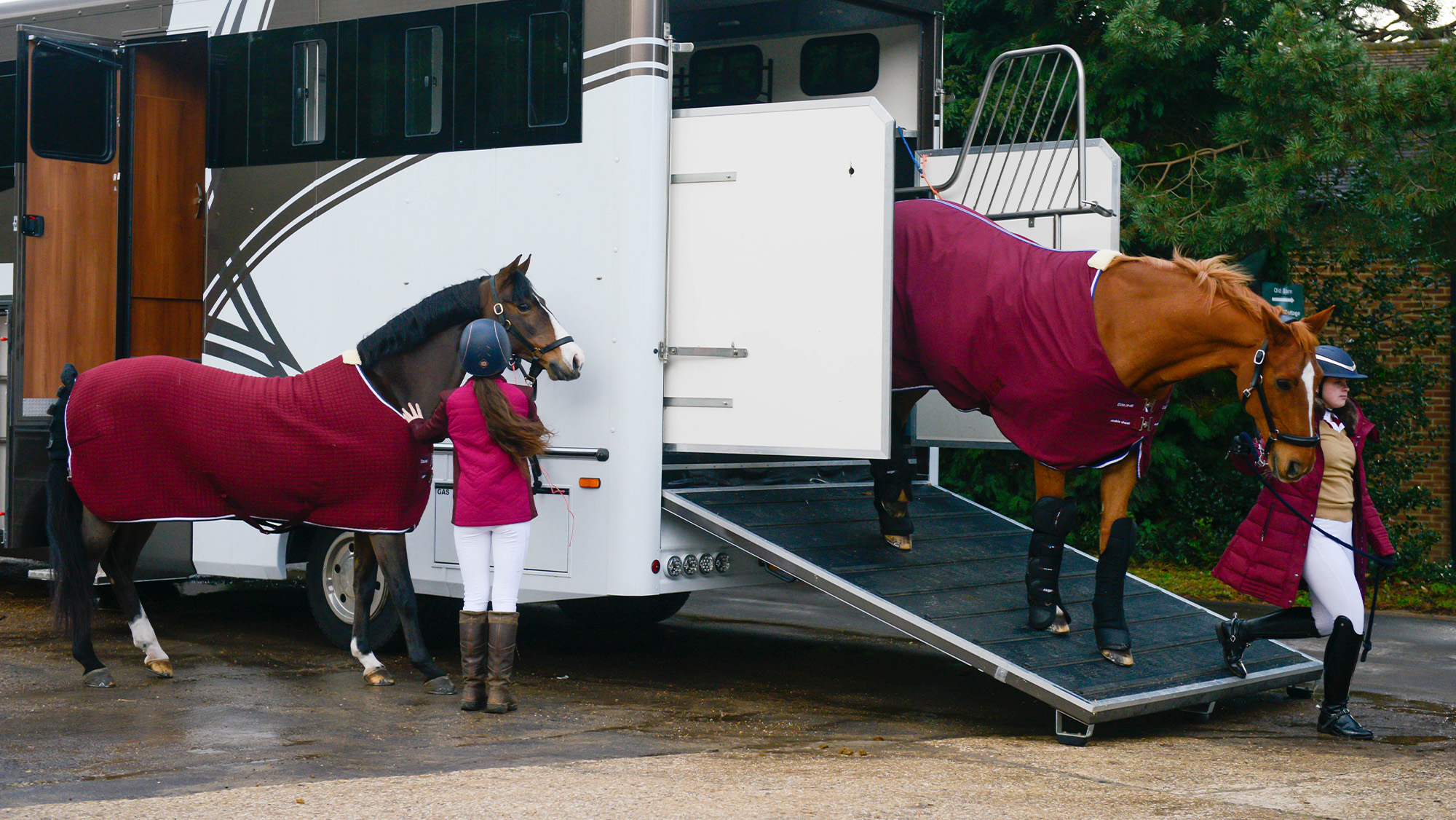
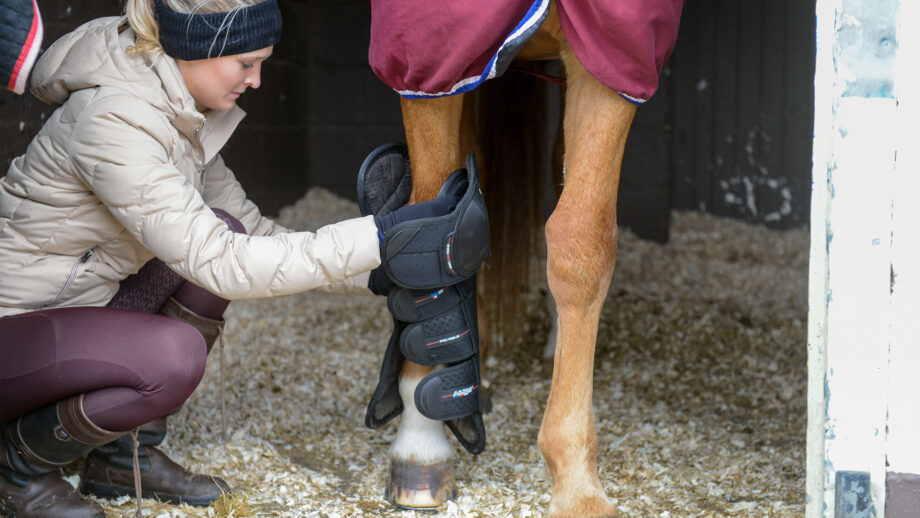
Ensuring your horse has got the right travel kit on will help to protect him if he slips or trips while loading as well as when on the road. Credit: Andrew Sydenham
5. Use protective kit
Use appropriate protective travel boots or bandages – a lot of damage can be done by hooves and legs becoming trapped under a partition or kicking at the sides, but make sure your horse is comfortable and confident wearing them before you try to load or travel him in them. Some horses are more confident wearing brushing boots or cross-country boots with over-reach boots all-round when travelling, so it’s worth seeing what your horse prefers.
Using one of the best tail guards or bandages will also protect the tail from being rubbed, but take care that they are fitted correctly so they don’t restrict bloodflow to the tail, nor slip down.
6. Use a suitable headcollar
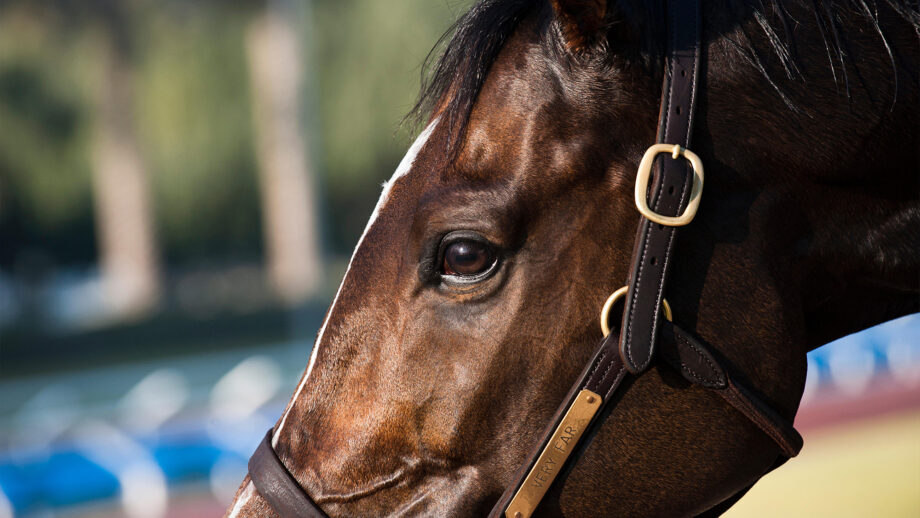
Always use a well-fitting headcollar, with the lead rope tied using a quick-release knot to a thin piece of baler twine or a safety tie. This will allow quick and easy release in an emergency. A leather headcollar or other type of safety headcollar is recommended as these will break if the horse pulls back.
7. Don’t overdress your horse
When travelling, horses typically do not need the same thickness of rugs that they would standing in the stable. Horses don’t feel the cold as much as we do, but a travel rug may be appropriate for some horses.
Being too cool is preferable to too warm, however, especially given that horses expend energy while keeping their balance during transit. Horseboxes and trailers can often get quite warm with horses on board, even on winter days, so ensure good airflow by opening windows and roof vents as appropriate.
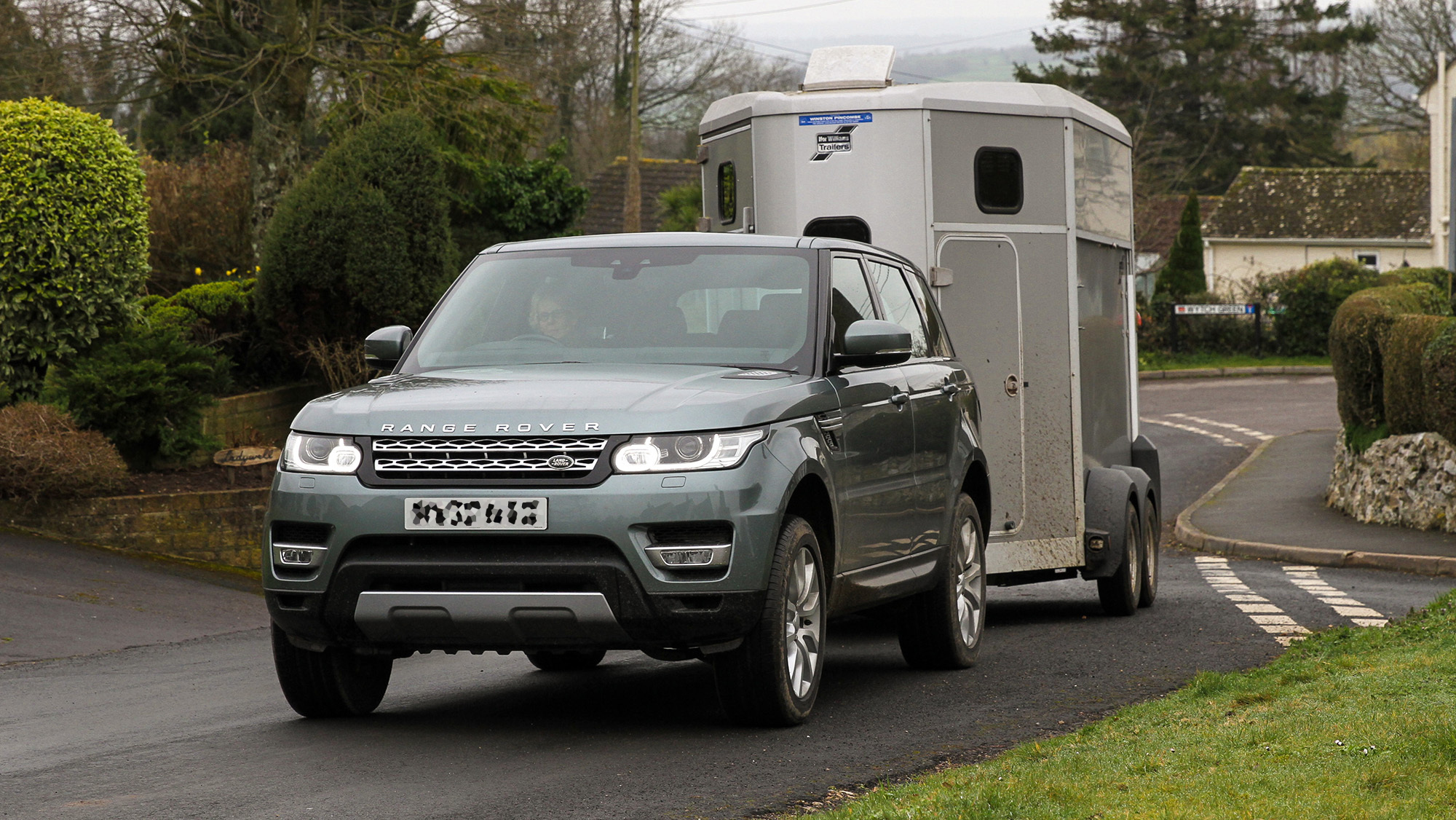
Always check that your breakdown cover is valid before travelling. Credit: Emma Voysey
8. Never travel without breakdown cover
Take out emergency rescue cover that includes horses and store the membership card in your vehicle – and make sure you’re confident in what to do if you breakdown with a horse.
9. Ensure adequate ventilation
Allow good ventilation en route to prevent respiratory problems. Avoid using dusty hay or bedding, too.
10. Travel the heavier horse on the inside
If you’re travelling two horses in a front- or rear-facing trailer or horsebox, stand the heavier of the two on the side closest to the centre of the road (on the right if you’re in the UK). If you’re only traveling one horse, it is recommended that they stand on this side, too.
Tips for long journeys with horses
1. Plan frequent breaks
On long journeys of more than three hours, pull over and untie the horse so that he can lower his head and drain mucus from his airways. This helps decreases the risk of pneumonia or shipping fever.
Use these rest breaks to offer water and hay from the ground, again allowing the horse to stretch his head down. This will help prevent dehydration, which can trigger respiratory problems and increase the risk of colic.
2. Map vets along route
Work out where veterinary practices are along your route if you’re travelling out of your area. Mark them on a map and record their contact details.
3. Stable en route
Consider leaving earlier and stabling overnight if you can – a long, hot and bumpy ride will takes its toll and tire your horse. The quality of driving also effects the effort a horse must make to maintain balance, so drive smoothly and at reasonable speeds.
4. Be prepared
A big part of having a good journey is feeling confident you know what to do in an emergency. Read up on what to do if you breakdown with a horse on the motorway and ensure you’ve got all the phone numbers you need to hand.
-
For unlimited access to advice on how best to care for your horse, subscribe to the Horse & Hound website
Enjoyed reading this? You might also like:
8 sets of travel boots that offer additional protection
9 of the best leather headcollars for travelling, competing and everyday wear

6 things to consider before travelling in the dark with your horse this winter
If you are going to get out and about with your horse this winter, you are likely to be loading

Travelling horses in the heat – and what to do if you get stuck on the motorway

Subscribe to Horse & Hound magazine today – and enjoy unlimited website access all year round