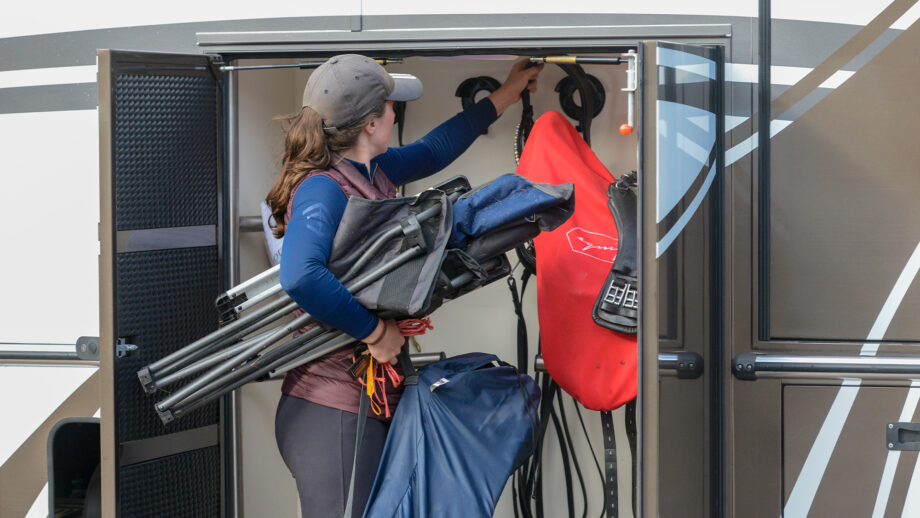
Whether you’ve been travelling your horse for “donkey’s years” or it’s your first solo trip, having a travel kit checklist will help put your mind at rest and ensure you have everything you need for your journey.
This travel kit checklist covers everything your need for your horse, including what he should wear for protection, plus the equipment you need for your lorry or trailer in case you get into difficulty. Do bear in mind, however, that you don’t want to pack so much that you exceed your legal towing limit. Before you set off, complete the packing checklist, do your horsebox or trailer safety checks, read our tips for safe travels with your horse – and don’t forget your horse.
Equipment checklist for travelling horses
Wearable kit for your horse
It’s important that your horse is used to all the kit he might be wearing while travelling. If you dress him up for the first time moments before you take him to a show, he may object to the unfamiliar kit. This will only add to stress levels, so try bits on gradually in advance of his first outing.
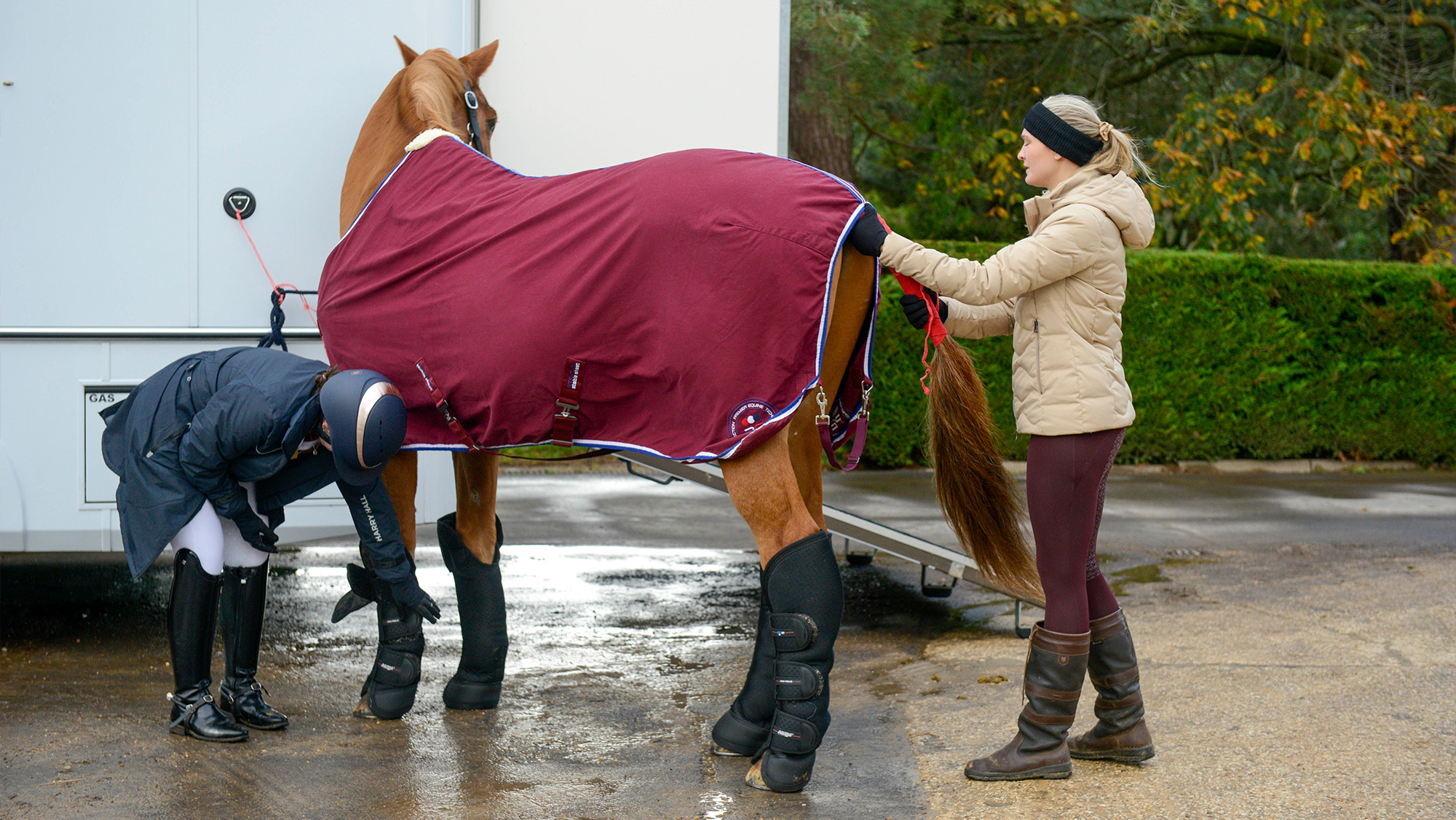
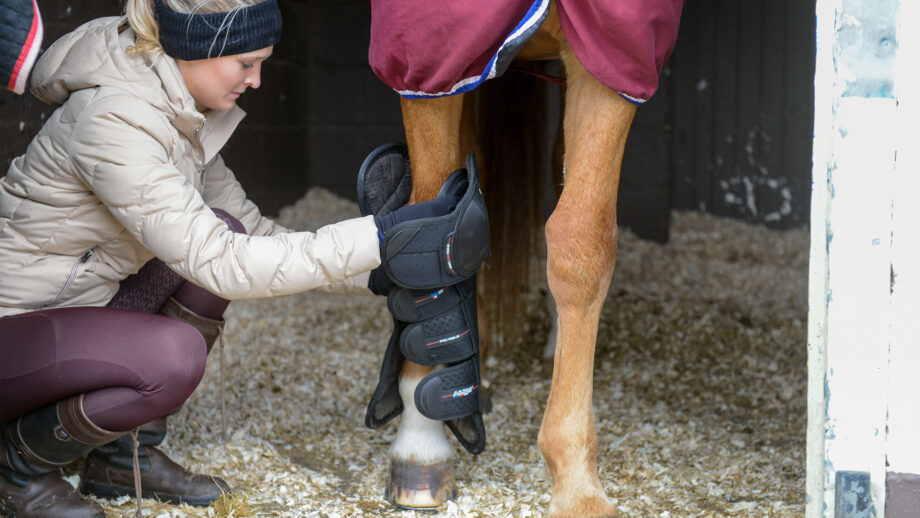
Travel kit offers protection while loading and unloading as well as in transit. Credit: Andrew Sydenham
- Travel rug – horses do get hot while travelling, so beware of over-rugging as this may cause him to overheat. The best travel rugs have wicking and cooling properties and are a useful addition to your horse’s wardrobe. They will help keep him at a consistent temperature on colder days and offer a bit of rub protection if he leans on the partition. Travel rugs will also come in handy if you have to wait around at a competition.
- Headcollar and lead-rope – ideally the headcollar will be made from leather, as the best leather headcollars will break under pressure, or another form of safety headcollar, such as a field-safe headcollar. Take a spare headcollar and rope, in case either does break.
- Travel boots – these protect the horse’s legs when he’s being loaded, unloaded and during transit. The best travel boots are designed to cover a large part of the horse’s legs, protecting them from knocks and scrapes, and absorbing shock, and are breathable to prevent your horse overheating.
- Tail protection – many horses lean back while travelling and the best tail guards help to protect the tail from being rubbed. You can either use the traditional elasticated bandage, or a tail guard or bag. Not only do these help protect the tail from damage, but they keep it clean during transit.
- Poll guard – these are not so common, but poll guards (like this one) protect the top of the horse’s head from injury.
Other things you need for your horse
- Water carrier and bucket – however short the trip, always take at least a 25-litre carrier (like this one) full of water
- Haynet, plus spare hay or haylage if required – even if it’s just a short journey, this will be essential if you break down. Eating can also help soothe a nervous traveller, and small-holed nets are useful if you want to slow feeding in transit.
- Your horse’s passport – it’s illegal to travel without it
- Equine first-aid kit
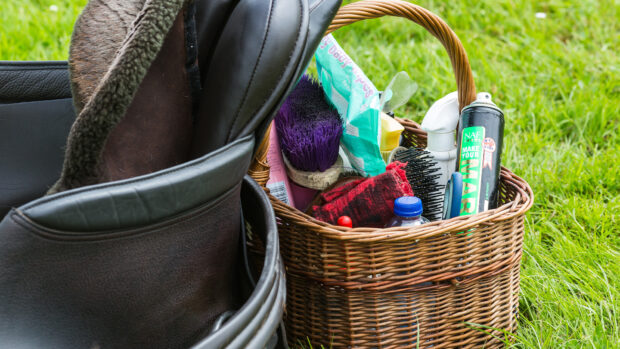
- Skipping-out kit and manure bag or trug – clean up after your horse wherever you go
- Tack – if you’re travelling to ride
- Mounting block (like this portable step) if you can’t get on from the ground
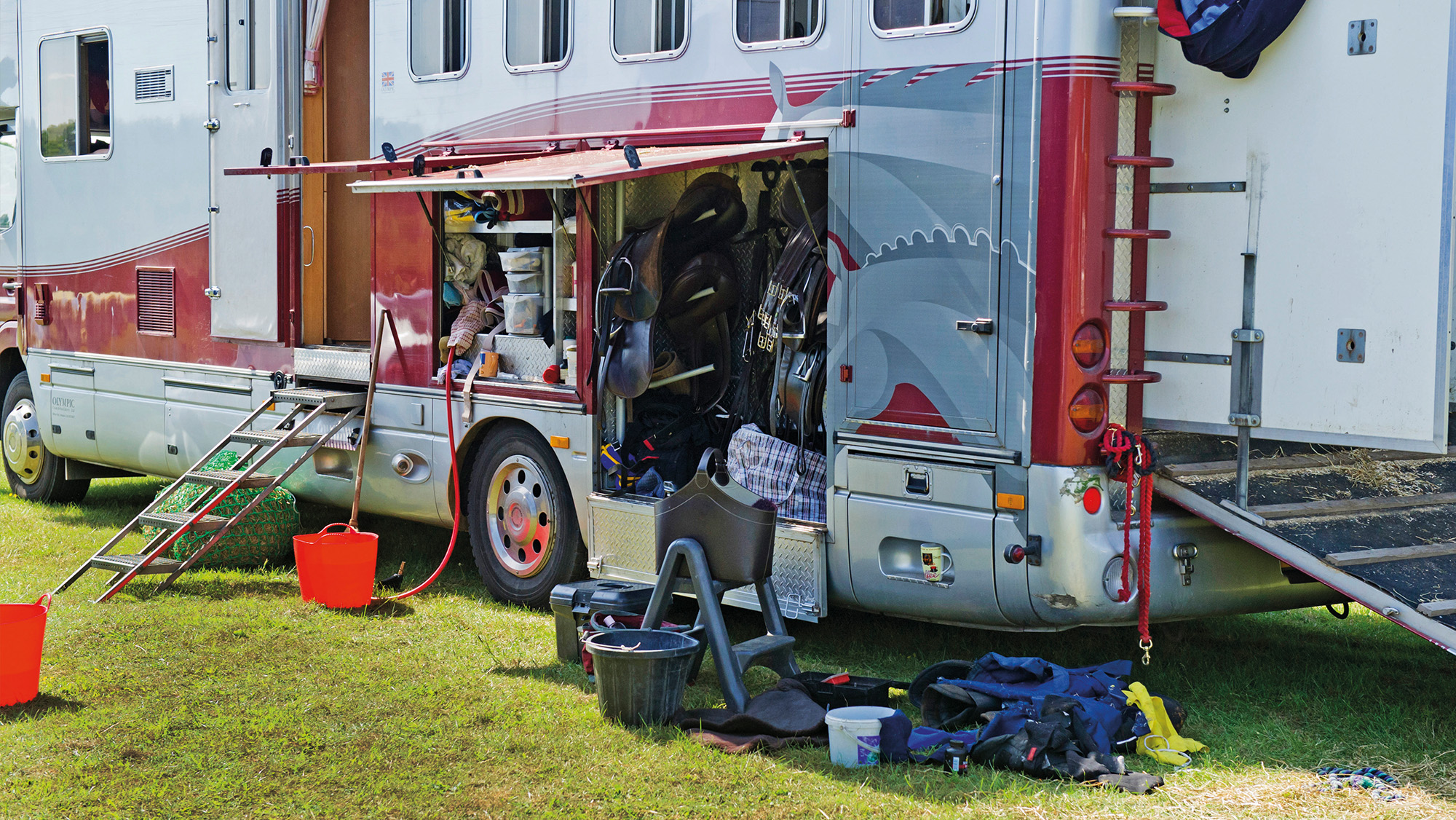
It’s not just the kit you need for riding or competing that needs packing when you travel.
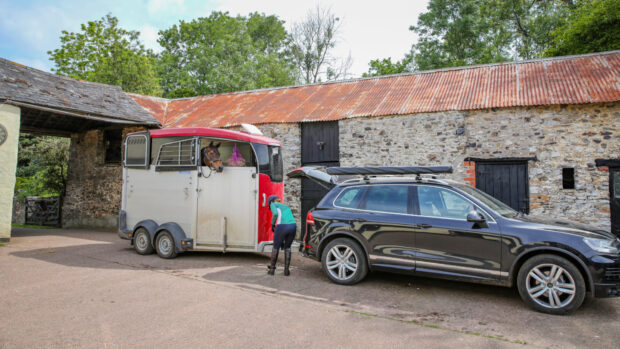
Equipment for the lorry or trailer
Just as when you’re driving your car under normal circumstances, you need to make sure your lorry or trailer is kitted out with all the essentials.
- Portable phone charger (I have this one)
- Decent spare tyres for the lorry, or both car and trailer in the case of towing, plus wheel jack
- Human first-aid kit
- Fire extinguisher (like this one)
- Toolkit – you can get roadside emergency kits (like this one) that contain all the items you’ll need if you break down. Or you can put the kit together yourself, including:
– Warning triangles
– High-vis vest
– Tow rope
– Emergency blanket
– Emergency hammer
– Screwdriver
– PVC tape
– Jump leads – even if you don’t feel confident enough to be able to use them, at least you can ask someone to help you - Fuses and spare bulbs
- Tyre pressure gauge and pump (like this one)
- Your important documents, such as insurance certificate, MOT certificate, driving licence and vehicle logbook. It is not a legal requirement to have these in the vehicle while travelling, but you may be asked by the police to produce them within seven days.
- Membership card or details of horsebox/trailer breakdown cover
- Contact numbers for vets en route
- Waterproofs
- Torch
- Map
- Sweets – something to keep you going if your journey ends up taking a lot longer than planned.
- For unlimited access to advice on how best to care for your horse, subscribe to the Horse & Hound website
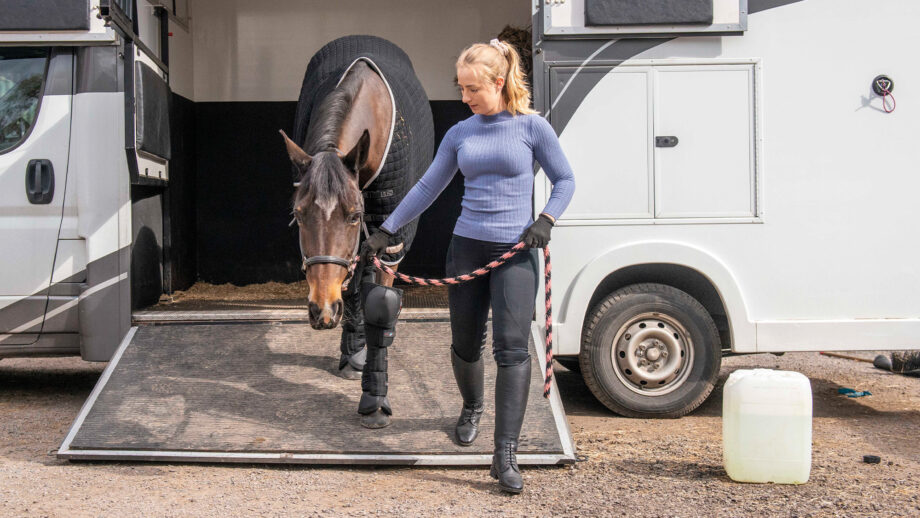
14 travel tips to ensure a smooth journey with your horse wherever you’re going
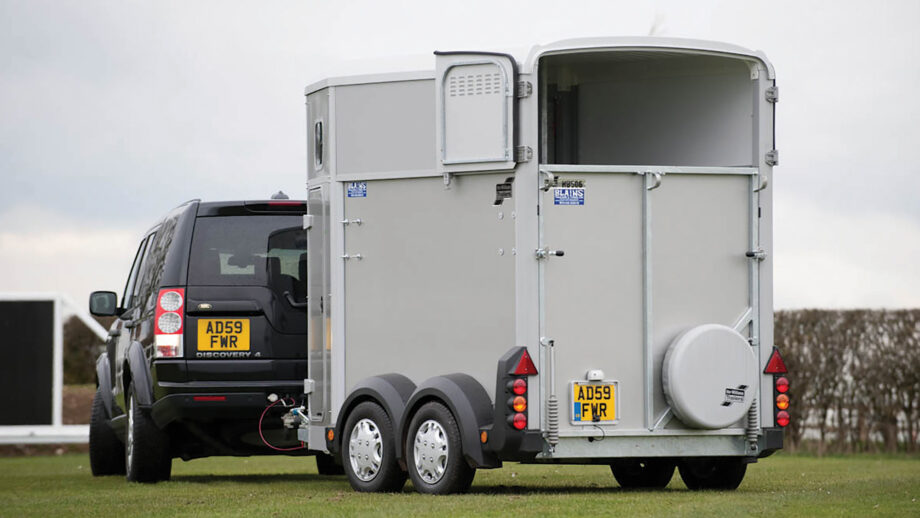
What you need to know about towing limits for horse trailers to keep your horse safe
8 sets of travel boots that offer additional protection

7 tail guards that will provide protection during travel
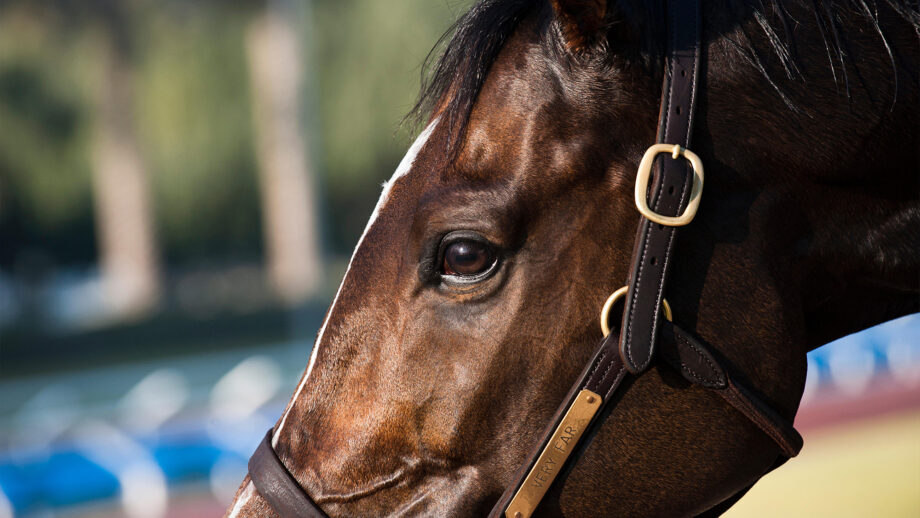
9 of the best leather headcollars for travelling, competing and everyday wear
Subscribe to Horse & Hound magazine today – and enjoy unlimited website access all year round