Equestrian sport has always prized grit and resilience. But more riders are realising mental health isn’t something you can leave at the stable door. The pressures of work, relationships, finances or top-level competition follow us into the saddle and flow straight into our horses.
“It’s a misconception that mental strength is about ignoring how you feel,” says equestrian psychology coach Charlie Unwin, who has worked with elite riders and now shares the tools used with them with grassroots equestrians, via Peak Rider’s bank of practical resources. “Real resilience is about awareness – knowing when your internal world is helping or hindering you, and having tools to shift it.”
Horses, he explains, are emotional barometers.
“They don’t listen to words – they read your body language, micro tensions, even your breathing. You might think you’re hiding stress, but the horse has already picked it up. They’re in effect living in your nervous system.”
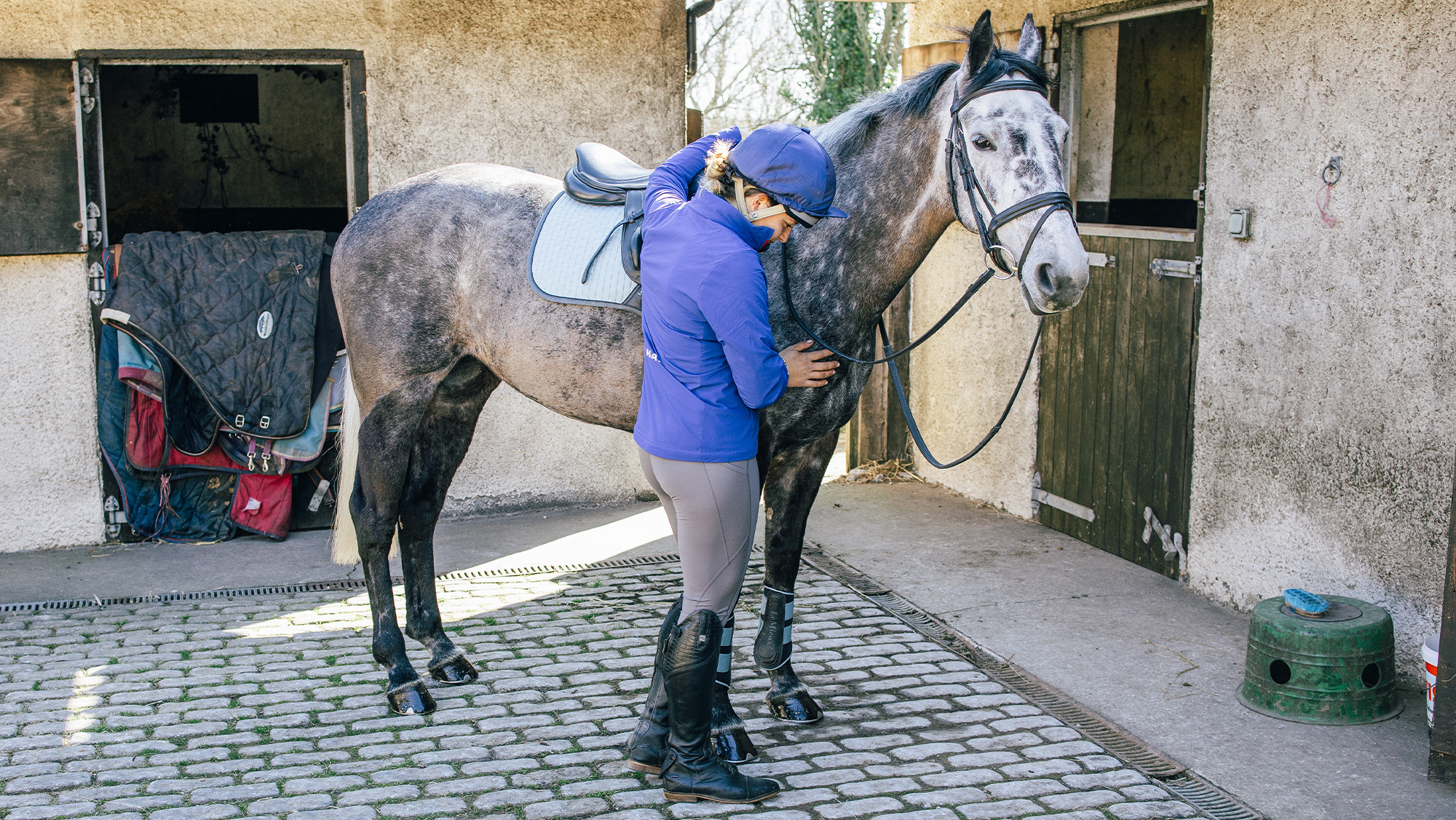
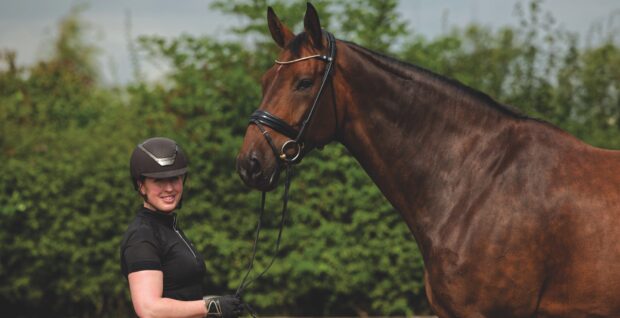
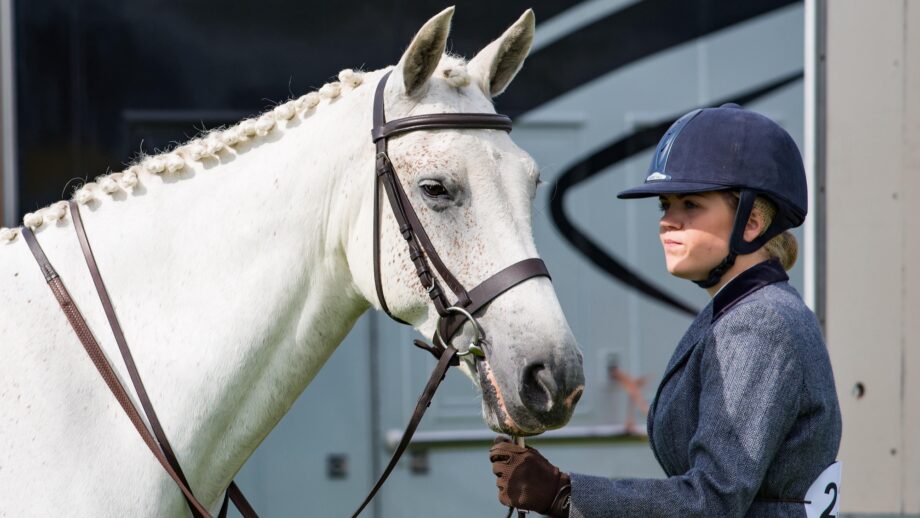
Horses can pick up on the smallest cues that signal dysregulation. Library image. Credit: Emma Herrod Photography
He adds that this connection is measurable. Scientists can track how a horse’s heart rate variability mirrors the rider’s, revealing the state of both nervous systems.
“When we become dysregulated,” Charlie says, “the horse also becomes dysregulated. We breathe differently, we think differently, and we make more threat-oriented decisions – fixating on what the horse might shy at, instead of the task we’re trying to do.”
It’s a message echoed by Linnea Aarflot, who runs Mind.Body.Dressage and has spent more than two decades helping riders, from amateurs to Olympic hopefuls.
“We behave about 5% from our conscious mind and 95% from our subconscious,” she explains.
“If you’re carrying tension from work or old emotional wounds, your horse feels it, even if you’re smiling on the outside. They respond not to your intentions, but to your true internal state.”
And that, Charlie and Linnea agree, can change everything – not just for performance in the arena, but also for the wellbeing of our horses.
Mental health in riders: the constant struggle of life’s demands
Nicola Bell, a grand prix dressage rider, knows how personal turmoil can slip into the saddle.
“It was the year I turned 40 – my annus horribilis. Divorce, my parents’ ill health, and more,” she says.
“At the same time, I had an Oldenburg stallion I loved and thought he’d keep me going. But the relationship soured, which makes me so emotional because we’d had such a strong bond. I wish I’d sent him to someone else for a while.”
Nicola’s story is personal – but far from unique. Many riders find that everyday life quietly spills into their time with horses, sometimes with heartbreaking consequences.
Megan Lane, a doctoral candidate at Liverpool John Moores University, found nearly half the dual-career equestrians in her study were experiencing high levels of burnout, far above the 5-10% typical in other sports.
Riders described the constant struggle to balance the demands of work, family life, and caring for their horses, leaving them exhausted.
“Sometimes you just want to go home after work, but you can’t. And the enjoyment level goes out of it,” Megan adds.
Equestrian sport’s cultural mindset can also make riders hesitant to seek help.
“It’s ingrained from when you’re young that if you fall off, you get back on, even if you’re hurt,” Megan explains. “People feel they have to carry on no matter what.”
Yet the consequences can be serious, ranging from physical exhaustion to mental health struggles such as depression.
“I wish people weren’t scared to ask for help, because that’s when it can get a lot worse,” she says.
“I felt like I was living two lives”
If that paints a rather bleak picture of equestrian sport, Megan’s research also highlighted something many riders instinctively know: that horses can also offer protection against stress and provide an escape from life’s worries.
For five-star event rider Mollie Summerland – who won the CCI5*-L at Luhmühlen Horse Trials in 2021 at just 22 and has since spoken with remarkable openness about her mental health struggles – this has certainly been true.
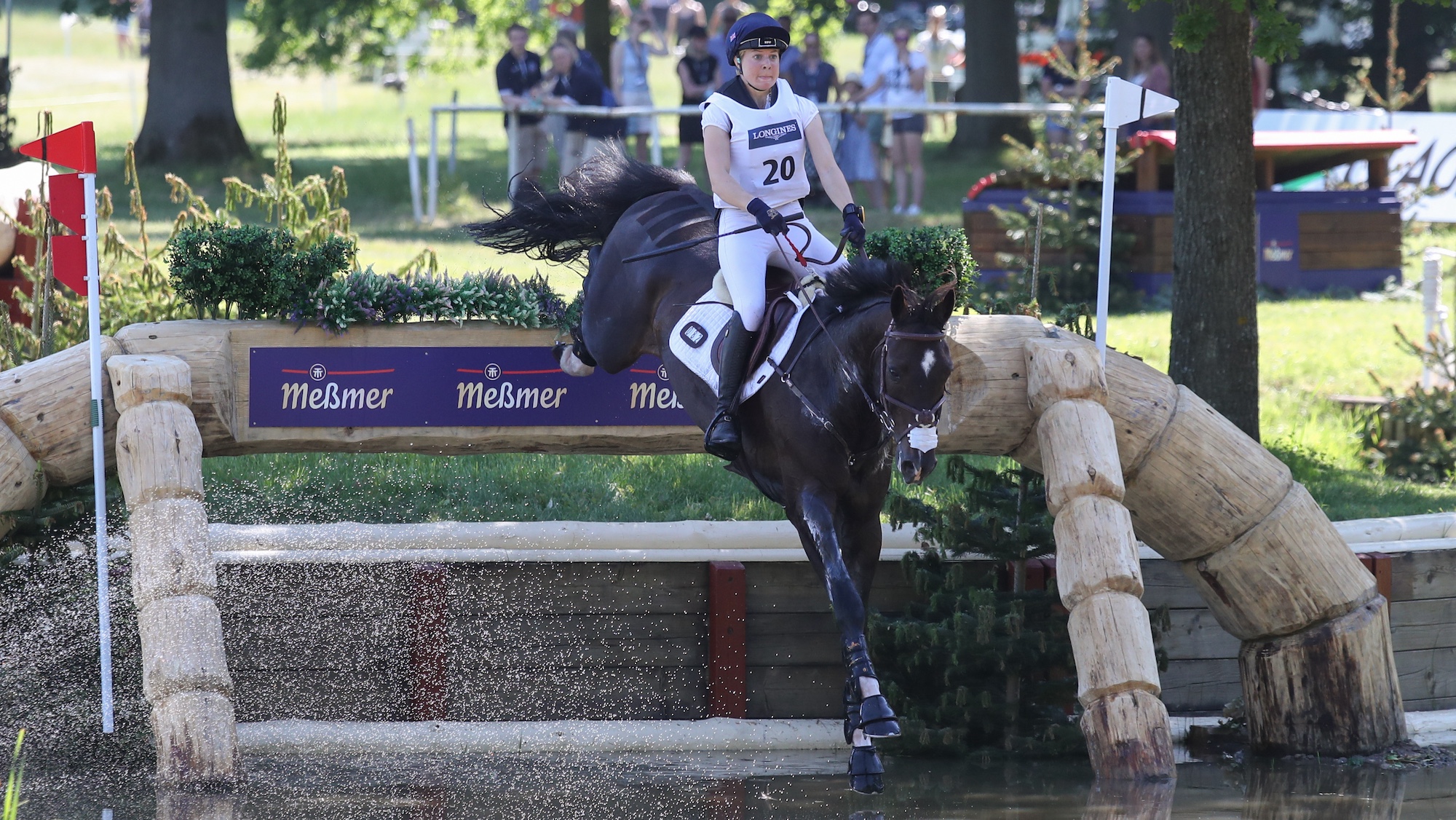
Mollie Summerland en route to victory at Luhmühlen 2021 – horses were her “saviours” at a difficult personal time. Credit: Alamy
“When everyone thought I’d come home from Luhmühlen celebrating, I was actually back in hospital,” Mollie shares. “No amount of good results took away the sadness. I felt like I was living two lives: pretending everything was fine at shows, while privately struggling.
“At one point, hospital admissions became routine. I’d be discharged, then soon be back at high-level competitions.”
Yet even in her darkest moments, Mollie’s horses kept her tethered to hope.
“My horses were my saviours during that time. Knowing I had them waiting for me at home, and big competitions drawing closer while I was in the hospital, gave me the strength and focus I needed to get better and go home to them. I felt I was letting them down if I went to a show lacking preparation.”
It’s a sentiment many riders echo: horses are both a lifeline and, sometimes, an additional source of pressure. Because while horses can soothe and heal, they also demand our very best – and that expectation can become overwhelming for some when life gets heavy.
Amateur rider Rhiannon Davies balances a corporate job with life alongside her seven-year-old Irish Draught, Harley, sharing their journey on social media and through her podcasts – The Equestrian Money Diaries and This Equestrian Life, which she co-hosts with horse trainer Miri Hackett.
“He’s the part of my day I look forward to the most,” Rhiannon says, “but that also means I attach an emotional element to riding.
“I want to show up well for him, which adds pressure. And horses are so intelligent, it makes total sense that they’d pick up on how we’re feeling and respond accordingly. It’s important we’re aware of that.
“I wish I’d reminded myself more that this is supposed to be fun, for both of us.”
Mollie’s story shows that even riders who keep performing at the highest level can carry a heavy emotional load behind the scenes. For others, like Rhiannon, the desire to “show up well” can sometimes turn a beloved hobby into an added source of pressure.
How to handle our mental health as riders
That’s where sports psychologists and mental health coaches step in, helping riders handle not just performance demands but the hidden emotional weight of caring for horses.
“If we know that horses’ heart rates can sync with their riders – and that a rider’s spikes with anxiety, even if nothing external is happening – it’s clear why learning to regulate your own state is one of the most powerful skills any rider can develop,” explains Charlie.
“We’re not trying to avoid stress, we’re trying to get better at handling it.”
The first step, both Charlie and Linnea agree, is self-awareness.
“Before you even approach your horse, check in with yourself,” Charlie says. “Ask: how am I feeling right now? Am I anxious, angry, or distracted? That’s not weakness – it’s crucial data.”
He gives a powerful analogy: “It’s like walking on the edge of a pavement. You can do it all day, one foot in front of the other, but if the pavement were three stories high, you’d walk completely differently. Yet people blame their walking. They go away and practise walking, but it’s not the walking that’s the issue. It’s how you manage your mental state in that situation.”
It’s a reminder that riding more or drilling technique won’t fix an out-of-balance mental state.
Linnea frames it this way: “If your nervous system is already close to its limit, adding the demands of riding can push you over into fight-or-flight. It’s then your subconscious takes over, and you lose the ability to problem-solve calmly.”
Signs that you’re nearing your limit might include:
- Feeling impatient or frustrated over small mistakes
- Fixating on things that could go wrong
- Shallow breathing
- Holding tension in your shoulders, jaw or hands
The good news, Charlie stresses, is that riders have tools to regain balance.
“Breathwork is your fastest route to shifting state,” he says. “It’s how we move from threat mode to connection mode.”
His go-to technique is the 4-7-8 breath: inhale for four seconds, hold for seven, exhale for eight.
“That lengthens the exhale, which activates the parasympathetic nervous system – your body’s calm-down system.”
Meanwhile, Linnea focuses on helping riders identify emotional patterns and train their nervous systems.
“The nervous system is like a muscle,” she explains. “You can train it to tolerate more pressure without tipping into stress. It’s not a quick fix, though – it’s like going to the gym or improving your diet. One day won’t change your life.”
Miri, Rhiannon’s podcast co-host and founder of Hackett Equine, a holistic, horse-first training centre, says: “A lot of the work I do is uncovering unconscious motivations and emotional patterns – and that can have a transformative effect on how we ride.”
“Being brave is stepping back”
But sometimes, the most powerful choice is simply to stay on the ground.
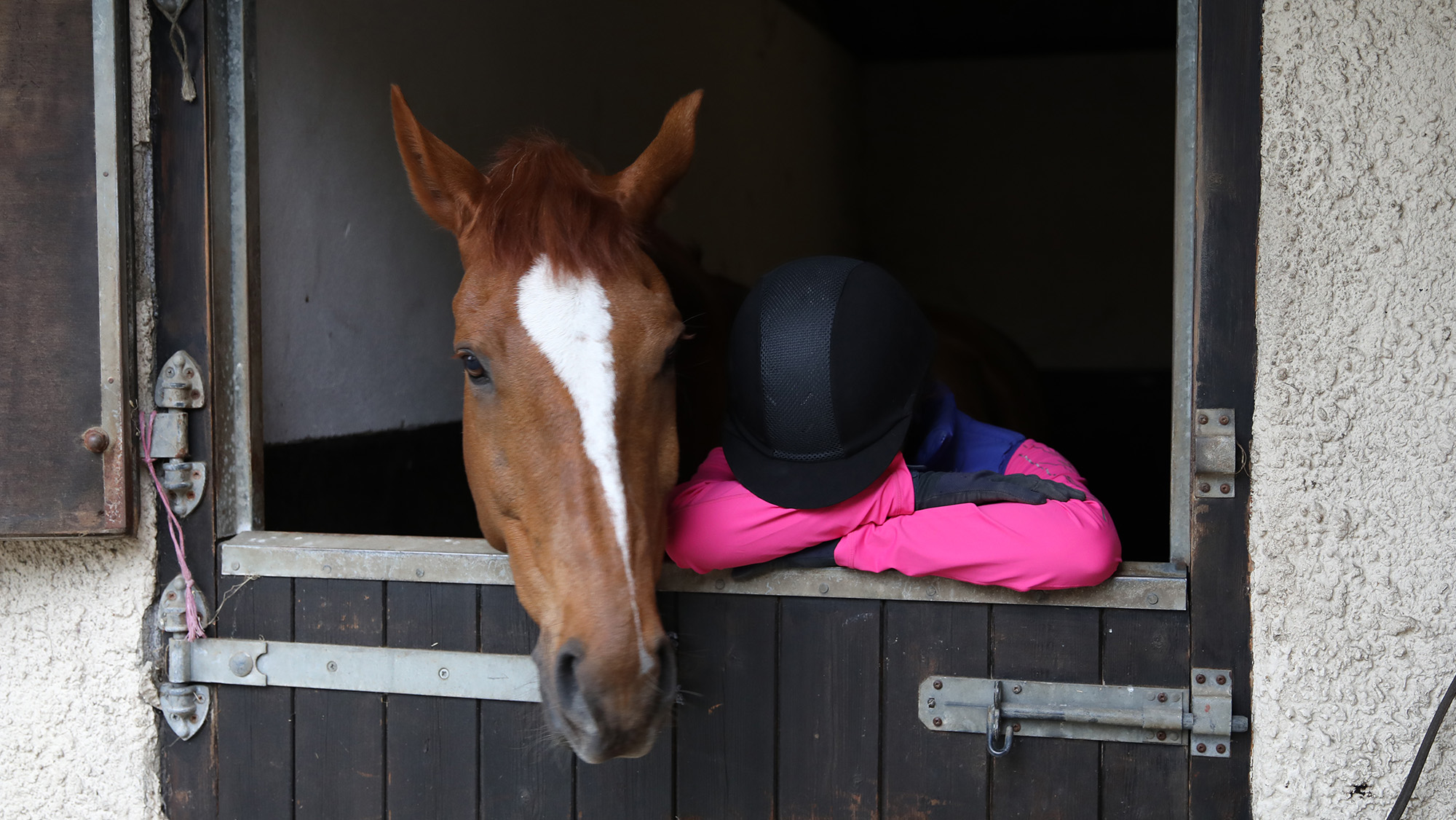
“You’re not weak if you decide not to ride – the horse doesn’t need to do 20-metre circles if I’m in bits inside,” says grand prix dressage rider Nicola Bell. Library image. Credit: Emma Herrod Photography
“There are times I decide that riding isn’t the right thing to do,” Miri adds.
She’s also been open about balancing mental health with life around horses.
“If I’m not feeling my best, I try to bring the pressure down and ask, ‘What can I do in this situation that will be a positive experience for both horse and rider?’
“Slowing down is one of the best ways we can regulate our nervous systems – rushing is so chronic, people don’t even notice how fast they’re going. It’s also important to remember that a horse’s behaviour is never personal – they’re just responding to what’s happening around them or within you.”
Nicola has learned a similar lesson. “These days, I’d step back instead of pushing through. The horse doesn’t need to go out and do 20-metre circles if I’m in bits inside.
“Being brave can mean stepping back. You’re not weak if you decide not to ride. You’re being intelligent. I’d tell any rider now: listen to your gut. It’s the best horseman you’ll ever meet.”
Mental health in riders: let’s talk!
Everyone we spoke to agreed: talking about mental health matters. Staying silent only makes struggles feel heavier, while opening up can be the first step toward real change for riders and their horses.
“I struggled with feeling a lot of shame for a long time – it felt taboo to me,” Mollie says. “But now I’m so passionate about normalising open conversations around mental health. I’ve come to a place where I feel no shame at all in being transparent if it can help others.”
She adds: “Everyone has things going on behind closed doors. Helping people feel they can speak openly – even to trainers – means we can support each other and factor that into how we work with our horses.”
Rhiannon’s advice for other amateurs juggling life and horses is simple but powerful: “Learn to recognise your emotions and limits, and figure out what helps in tough moments. Surround yourself with people who encourage you and call you out when you’re too hard on yourself or your horse.
“Reframing my ‘why’ has helped. I love competing, but enjoying my horse as a whole means not putting too much weight on riding alone.”
Miri also emphasises the value of speaking up: “Don’t be alone – because you aren’t. When we are feeling overwhelmed or struggling, reaching out to a friend and acknowledging that things are hard can be healing.”

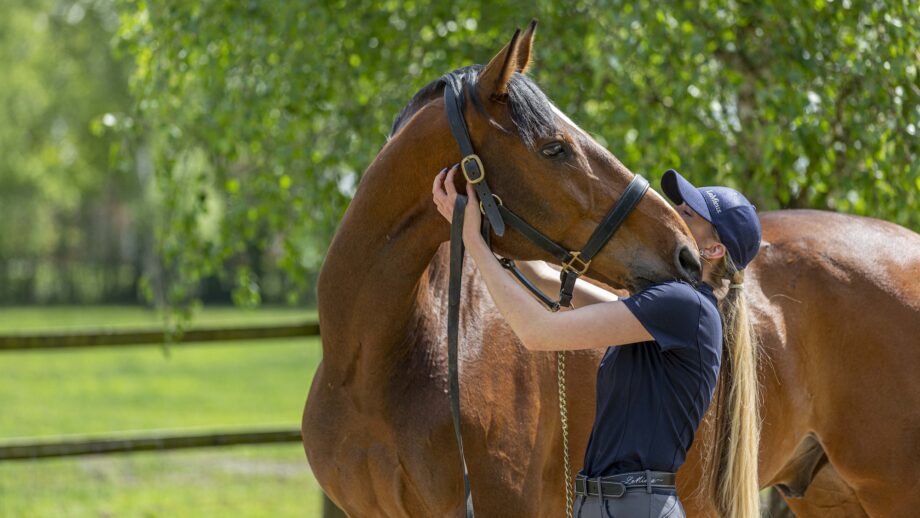
Reach out to friends; don’t shoulder your burdens alone. Credit: Alamy
For riders like Miri, Rhiannon, Mollie and Nicola, mental health has become part of good horsemanship itself.
As Rhiannon puts it: “There’s so much more to time with our horses than being in the saddle. Some days, a cuddle is enough – and your horse might thank you for it.”
Because in the end, our horses care not about our competitive record but rather how gently we show up for them each day. And perhaps that’s the truest definition of success.
- Enjoyed reading this? For more expert training advice from top riders and coaches, subscribe to the Horse & Hound website
You may also be interested in…
How to cope when the menopause affects your riding life

Transform rider nerves into positive energy with Charlie Unwin’s expert tips

Why riders can be susceptible to mental health problems — and how to take action
Do nerves hold you back in competition? Follow these 6 expert-led steps to a cool competition head

Why do you lack confidence when riding or handling horses? Five questions to ask yourself

Struggling with nerves? Boost your confidence and enjoy riding again with these helpful tips
Subscribe to Horse & Hound magazine today – and enjoy unlimited website access all year round