Equine welfare, safety and accessibility to the sport are the three pillars to the current approach to running polo, with the aim of making it “a great place for people and ponies – and for everyone to enjoy themselves”.
Hurlingham Polo Association (HPA) chief executive Anna Hall, former head of participation at British Equestrian who took over the role in 2022, told H&H the HPA is “embracing” the spotlight on the sport, thanks to the new television series of Jilly Cooper’s Rivals. The HPA has also revamped and updated its pony welfare booklet, printed in English and Spanish.
“We’ve got about 2,500 members and it goes to all of them, all our clubs and high-goal teams,” Ms Hall said. “We’re acutely aware different countries will have different standards, and we believe we’re leading the way in relation to welfare standards and polo. We’ve been working with our international polo federation, the FIP, and they’ve done an article about our welfare book.
“Making sure we’ve got it to a South American audience in Spanish, as well as a UK audience, is really important, because welfare, accessibility and safety are probably the three pillars I and the team are working towards.”
The booklet includes everything from winter pony care to dealing with extreme heat and from fitness programmes to a new section on poisonous plants.
It also features elements that consider public perception of welfare; one section states that a pony may not play if its “visual impact is considered detrimental to the reputation of polo”.
“We’ve had cases where a horse has something that’s being treated, has been signed off by a vet as fine to play, but we’ve said, ‘We don’t want that pony to play,’ because we want to make sure we have our ponies looking the best,” Ms Hall said. “From a social licence point of view, not just for polo, for all horse sports.
“We need to make sure we’re showcasing our ponies in the best light, so our umpires, pony welfare officers – every club has a pony welfare officer and above a certain level we have vets on duty – any HPA official can say, ‘We do not want that pony to play.’
Working together
“The pony can play when it’s recovered and photos won’t go viral around the world, but this is about us working together for the good of all horse sports.”
Ms Hall said in the past few years, equine and coaching manager Vix Chapple has been working closely with other disciplines’ governing bodies on everything from welfare to the recent increase in equine flu. She also pointed out that no unaffiliated polo activity runs in this country; all games come under the HPA, the Pony Club or the Schools and Universities Polo Association (SUPA), which follow HPA rules.
“So when a couple of years ago, it was about 40C, we stopped polo for two days,” Ms Hall said. “We felt the heat was too high, not so much for playing, but we were so worried about transport and didn’t want any lorries breaking down on the M25. It was a difficult decision, but then we were confident no polo was being played.”
Another big push is on accessibility. Ms Hall spoke at Royal Windsor Horse Show in May and at the 2025 London International, to try to promote the sport.
“There is an expectation that if you want to play polo, you have to have an entire string of ponies and it’s going to cost you an absolute fortune,” she said. “But actually, you can play your entire life and not have any ponies. You can go to polo schools; there will be an HPA qualified coach and they provide you with ponies. They’ll have a licence, like any riding school, but you could have your entire polo hobby career on hired ponies.
“I was talking to somebody at Royal Windsor who’d been a showjumper, fell out of love with showjumping and did polo through SUPA. She’s now a licensed HPA coach, runs a polo club and has played around the world. She said she wouldn’t have had those opportunities without polo; we’re trying to tell some of those stories and get people to come, watch and have a go.”
Power of Polo
She cited the HPA-affiliated charity Power of Polo, which uses the sport to improve the lives of people in challenging situations.
“It takes people who struggle with a whole range of things or have been involved in gang culture and takes them out of that environment,” Ms Hall said. “These are people who haven’t been trusted by authorities, and there was a wonderful project they did getting the Metropolitan Police and these young people to learn to play polo together and they loved it.”
Pony Club participation is also growing and the HPA is working on a simplified rulebook, to be less complicated for newcomers.
“There aren’t many horse disciplines where you can go to a coach and learn to play, ride, compete, from a beginner to tournaments,” Ms Chapple added. “We have a lot of ponies accessible and it’s accessible to spectators too. There are high-goal tournaments, such as the Queen’s Cup at Windsor, where you can go and watch an outstanding game of polo with some of the best players in the world, and you’re not charged for it.”
The HPA works closely with Retraining of Racehorses as many thoroughbreds enjoy second careers in polo.
“That’s a big part of our welfare work and we want to push that agenda as much as possible,” Ms Chapple said. “I think people don’t realise we’re actually really good at our welfare.
“Usually, the only knowledge they have of polo is when you have a member of the royal family on the front of the Daily Mail or Rivals. It’s really important we sing our praises, because we’re actually doing a good job when it comes to pony welfare. I’m quite proud of it.”
Keeping people safe is also key. The welfare booklet also has resources and signposts for grooms and staff, so they know who to speak to about any issues. Ms Chapple is the HPA safeguarding lead and felt this was very important to include.
Ms Hall said: “We also know that if people are looked after well, the ponies are likely to be looked after well. It’s all circular and we want polo to be a great place for people and ponies, and for everyone to enjoy themselves.”
- To stay up to date with all the breaking news from major shows throughout the year, subscribe to the Horse & Hound website
You may also enjoy reading:

Whitaker and Stockdale switch saddles ahead of Royal Windsor’s exhibition polo match
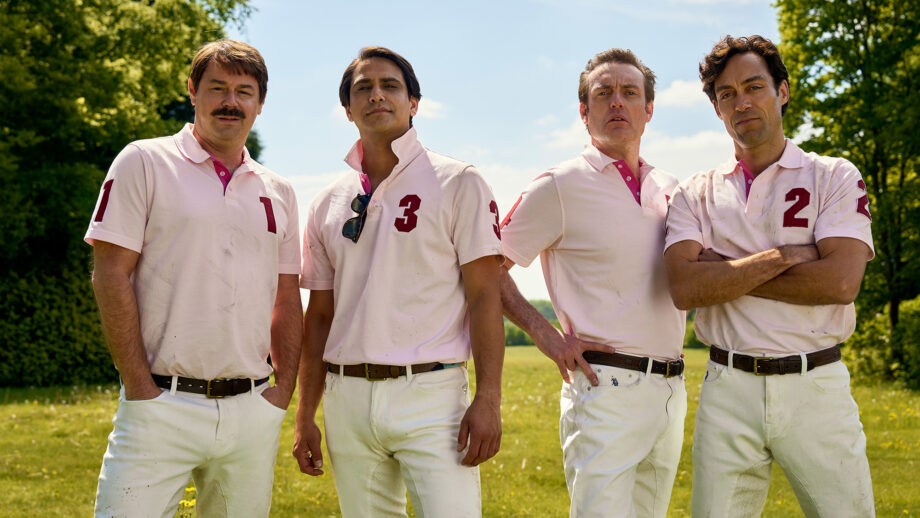
How to watch Jilly Cooper’s Rivals season 2 on TV from locations around the world

Unlikely locations and bright orange balls: 7 things you never knew about snow polo
The winter game is a high adrenaline alternative to traditional grass polo, and a fascinating sport in itself as we

A crash course in passing as an Olympic showjumper: how Rupert Campbell-Black’s actor learnt to ride for the TV series of Rivals

Subscribe to Horse & Hound magazine today – and enjoy unlimited website access all year round