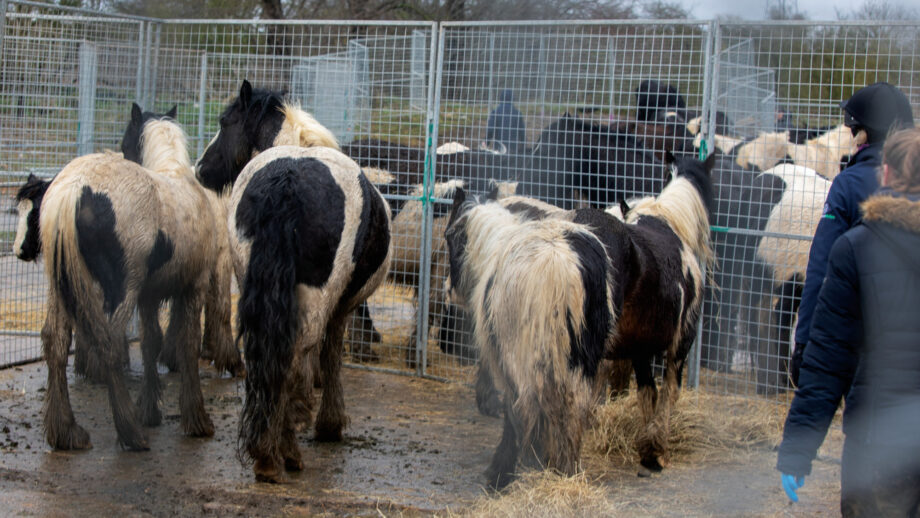
Equine welfare charities have welcomed a forthcoming Government consultation on mandatory licensing for animal rescue centres – if managed and enforced appropriately.
On 26 January, MPs debated a petition calling for licensing and regulation of dog and cat rescues, which had been signed by almost 110,000 people. The petition stated that by introducing “clear legal requirements, the Government can safeguard animal welfare”.
MPs discussed animal rescues more broadly and highlighted that although many do “great work”, there are some operating “without clear legal oversight, creating opportunities for unethical practices”.
MP Richard Holden said anyone, “regardless of their experience or intention”, can say they have an animal rescue or rehoming centre and not be subject to inspection or monitoring – and this has “resulted in animals suffering, not only dogs and cats but horses and other animals”.
The Government acknowledged the “need to crack down on poor practices” of some rescues in its animal welfare strategy, published in December – and committed to a consultation on licensing rescue and rehoming organisations.
Defra minister Angela Eagle referenced this consultation during the debate and said it will be used “to come to an appropriate decision about the best way to license and regulate” – and to ensure that any new framework is “proportionate”.
Defra told H&H the consultation will take place “in due course”.
Licensing for animal rescue centres: charities have their say
Equine charities have long called for the licensing of rescues, and H&H has reported on high-profile welfare cases involving sanctuaries in recent years.
World Horse Welfare head of public affairs Kim Ayling told H&H licensing “should improve animal welfare, if implemented and enforced appropriately” and the charity would welcome working with the Government, via the National Equine Welfare Council and British Horse Council.
“However, laws are not worth the paper they are written on unless they are effectively implemented and enforced by trained inspectors,” she said.
“The Government’s promise to work with local authorities to improve enforcement of the existing regulations for licensing of riding establishments, for instance, is welcome. Currently enforcement varies significantly from area to area and this must be improved before any further types of activities are licensed, including rescue centres.”
Redwings “welcomes” a consultation – having “been involved in multiple cases where serious welfare concerns have been identified in establishments presenting as sanctuaries”.
“The commitment, knowledge and resources needed to care for neglected, often challenging rescue cases should not be underestimated,” said Redwings campaigns and policy manager Helen Whitelegg.
“This needs to be reflected in a framework that acknowledges the work of those establishments who offer a lifeline to animals, while preventing those unable to meet the needs of animals from causing further suffering, and securing public donations without appropriate accountability.”
How it works in Wales and Scotland
In 2020 the Welsh Government launched a voluntary code of practice for animal welfare establishments, and in 2021 the Scottish Government went a step further by introducing mandatory licensing.
Redwings head of welfare Nic de Brauwere, who was involved in the work in Wales through his position of chair of the Animal Welfare Network for Wales, told H&H the voluntary code was “helpful because it underwent the safe process of drafting, consulting and Government checks as if it had been a statutory code”.
“We believe this set a new standard but, as expected, without the licensing framework to back it up, in particular to ensure access to all animal welfare establishments to check standards, the voluntary code was not, by itself, enough to raise standards across the board,” he said.
“The broad-ranging consultation by the Welsh Government in 2024 led to a high volume of responses and in 2025 the Welsh Government indicated it would develop proposals to consider regulation, to include a possible licensing scheme.”
What do you think of the proposals for licensing rescues? Write to us at hhletters@futurenet.com, including your name, nearest town and county, for the chance for your letter to appear in a forthcoming issue of the magazine.
- To stay up to date with all the breaking news from major shows throughout 2026, subscribe to the Horse & Hound website
You may also be interested in:
New rules ‘to stop the horror cases’: Scotland introduces licensing of rescue centres
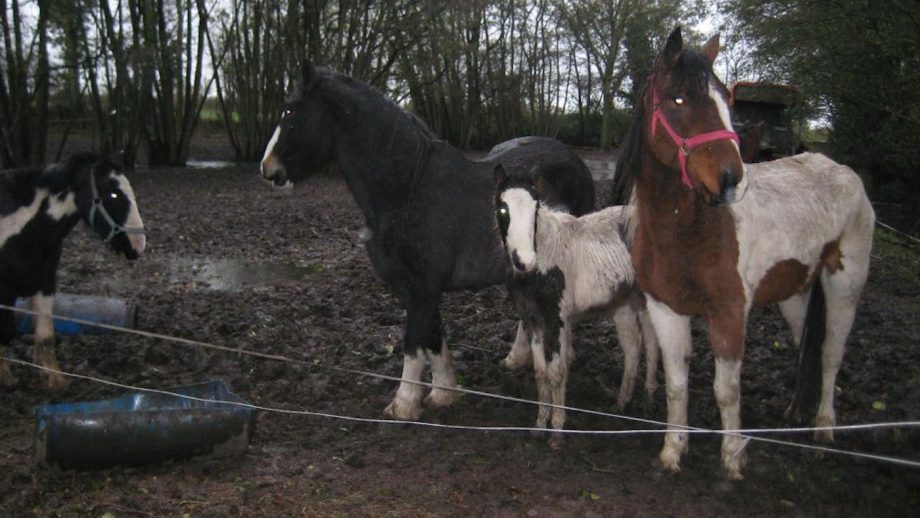
Hopes new laws for animal sanctuaries will prevent ‘catastrophes’

Subscribe to Horse & Hound magazine today – and enjoy unlimited website access all year round