A major report into the “life-changing” impact of the Riding for the Disabled Association (RDA) on thousands of people not only demonstrates the charity’s worth but “champions the role of the horse in society”.
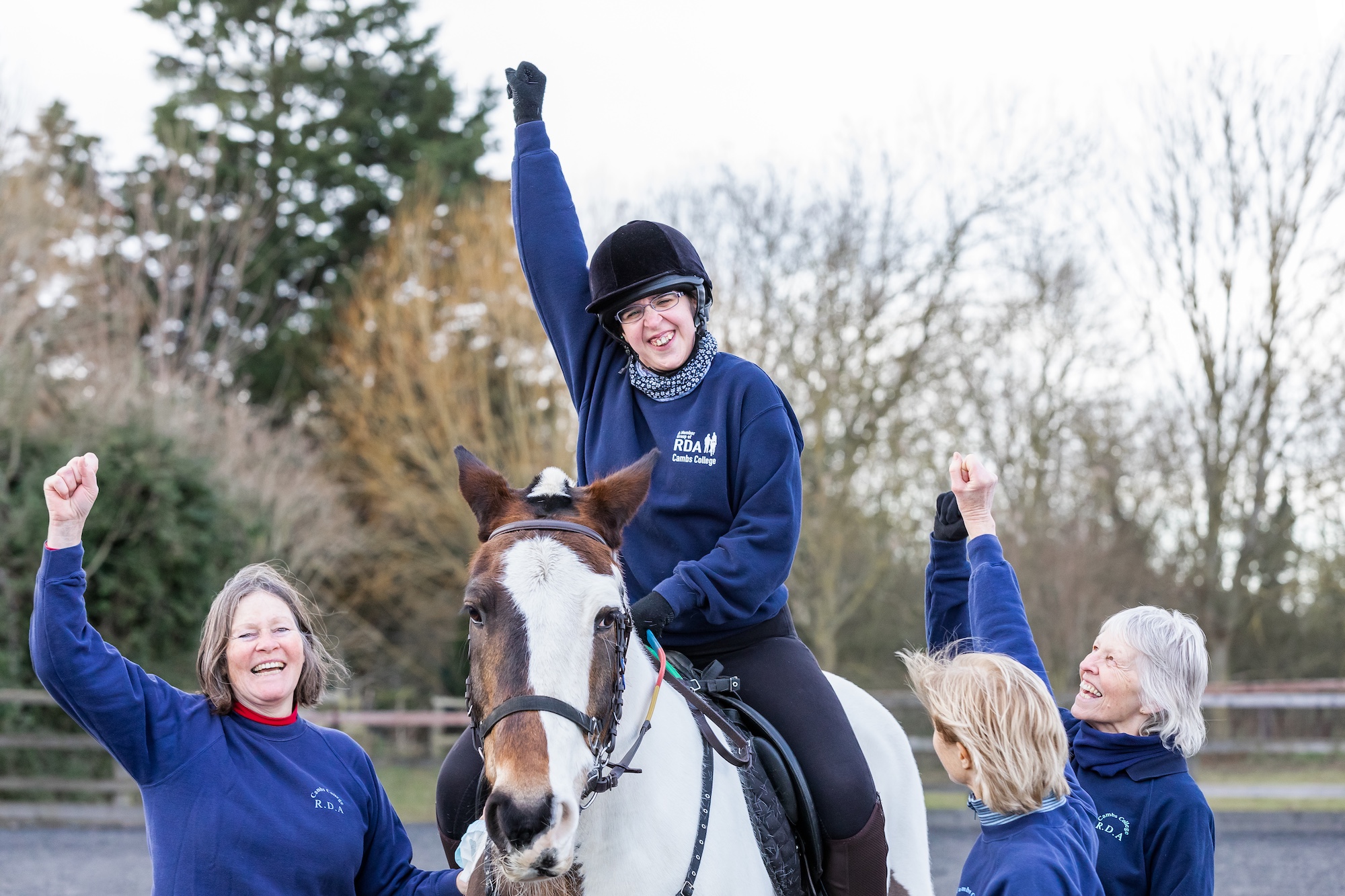
The research, published this week, found that between 80% and 90% of participants have improved physical wellbeing and confidence, and feel more socially connected thanks to the RDA. More than 70% have improved mental wellbeing and almost two thirds are more settled.
Charity CEO Michael Bishop told H&H that he, and many of the RDA team, have wanted to carry out the research since his appointment last year.
“It has two real purposes,” he said. “The first is that RDA is brilliantly humble. And humble for me, has two meanings. One is that great compliment of a pragmatism of making it happen, getting on and quietly achieving remarkable things. But the risk of being brilliantly humble is that you can be quiet and lack self-confidence.
“I really wanted to understand the impact we created, and to be able to shout about it.”
Mr Bishop said there were statistics on how many people the charity reached, but these did not “articulate clearly how transformational that is”.
“So there was an RDA angle, to champion our cause, do all the things that sustain it,” he said. “The second purpose is about the social relevance of horses and that connection with society. It’s not enough to say, ‘This works, it’s great and we reach 39,000 people a year.’ We’ve got to be able to articulate how we reach them and why that’s relevant to their lives.
“I’m delighted this report really sets out how this impacts people in education or struggling with a connection to the education system. This articulates their connection to health and wellbeing through activity, and fleshes out an argument on behalf of the horse.”
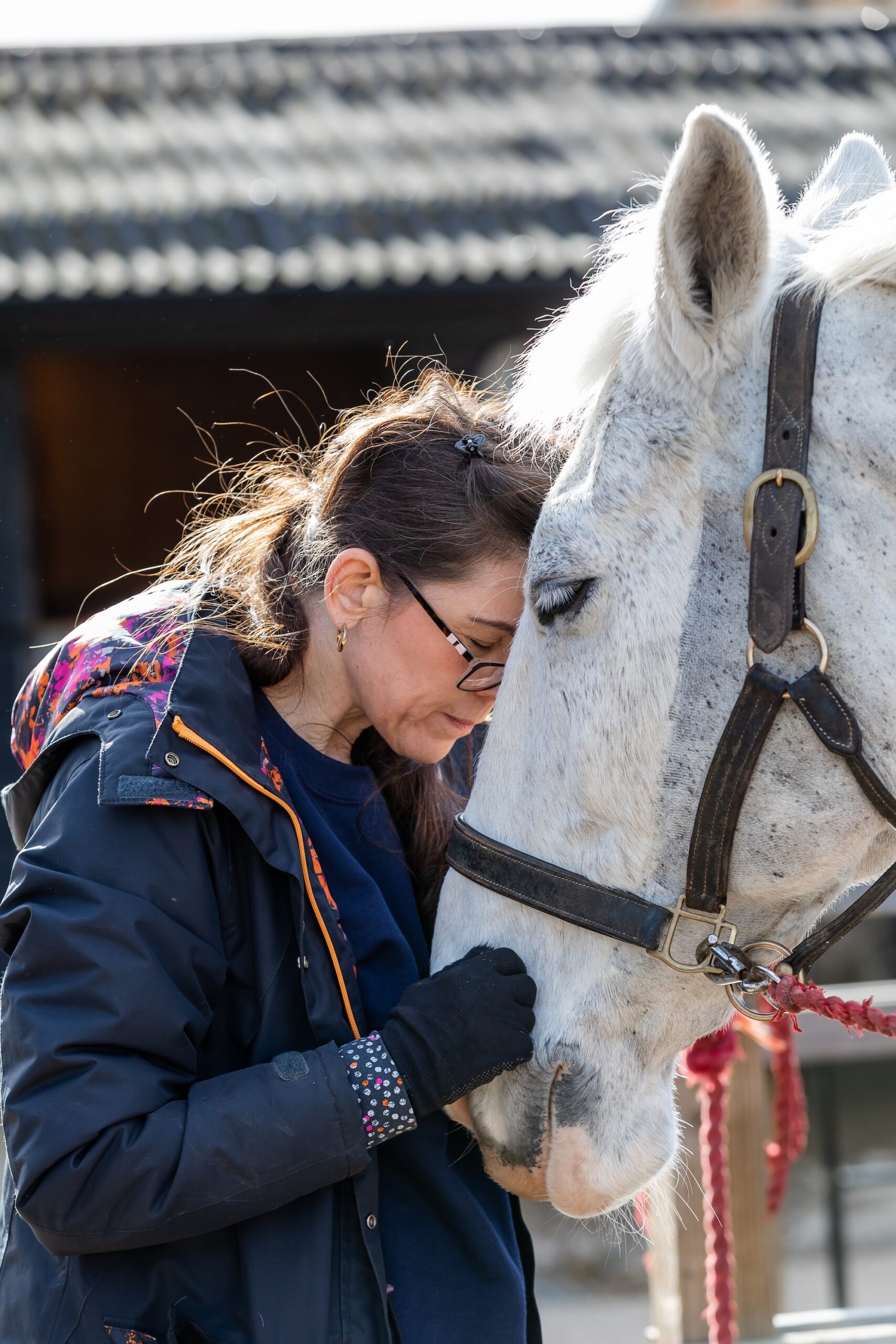
Mr Bishop has previously said that horses’ social relevance is key to equestrianism thriving in future; the more people are involved with them, who feel they are relevant, the more advocates there are.
“We’ve got to be able to champion the role of the horse, and that means aligning what the horse achieves to things the rest of society would recognise,” he said.
The work was carried out by independent researchers, who analysed existing data and spoke to 1,200 representative participants.
Mr Bishop said one key statistic is that although the national percentage of people with disabilities who rate life satisfaction “very high” is only 5%, for those engaged with the RDA, it is 32%.
“That’s massive,” he said. That feels like a huge change we’re creating in those lives. And that typifies that depth of impact. The report found 80% of changes to lives quoted happen because of RDA activity, connection to horses provided by our groups.”
H&H reported on the British Equestrian research that found the social value of equestrianism is £1.2bn annually, which could help the industry thrive as others see its impact.
“That’s about the audiences you want to reach,” Mr Bishop said. “I don’t need to convince [riders] that time with the horse is really powerful, or probably that our volunteers have a remarkable ability to make that relationship come alive, but I do need to reach audiences who can support our work. And the horse, the whole sector on behalf of the horse, has to be able to reach those audiences for our survival.
“For both purposes, the numbers matter. And whether you’re a numbers or an emotive story person, you’ve got to have both.
“We’re not proud enough as an industry, perhaps, of the remarkable change we can create in society through horses. We need to articulate it better.”
Mr Bishop hopes the report will show people, health and education providers the good RDA does, and encourage others to support the work, whether by volunteering, donating – or just sharing the story, for their own benefit as well.
“The future of horses in sport depends on social relevance,” he said. “Last year, we didn’t have the evidence to back it up, but now through research, we know the social importance of horse sport to society is the strongest driver of trust for the UK public. The greater the perception of the social value of horses, the more likely they are to trust and accept them. I rest my case.”
RDA president the Princess Royal added: “This report celebrates the incredible work of every RDA community and gives voice to those at the heart of our organisation – our participants, their families, and carers. It shows the vital role RDA plays in creating opportunities that might otherwise remain out of reach.”
The numbers
88%: improved physical wellbeing
90%: improved confidence, self-esteem and independence
64%: more settled, including in education or work
72%: improved mental wellbeing
4,000 people on RDA waiting lists
- To stay up to date with all the breaking news from major shows throughout 2025, subscribe to the Horse & Hound website
You may also be interested in:

Why horses’ relevance to the public is key to our sport’s survival
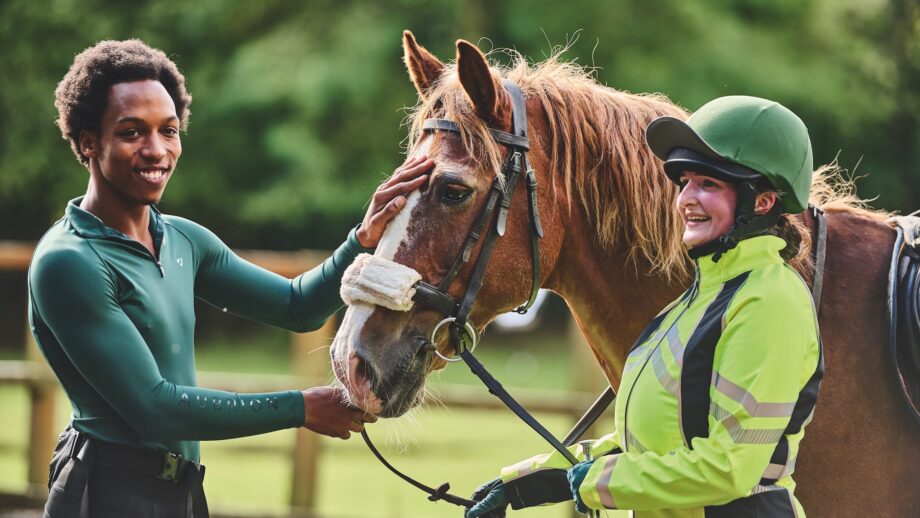
Research proves horses make people’s lives better – with a social value of £1.2bn

What the public really thinks and how horse sport can gain trust

Horses’ ‘magical’ lifeline for young people could help our sport thrive
Subscribe to Horse & Hound magazine today – and enjoy unlimited website access all year round