The “heartbreaking” case of an elderly pony dumped in “unrelenting pain” with a multitude of health issues highlights a growing problem in the UK – and the need for everyone to be part of the solution.
This is the view of the Horses and Ponies Protection Association (HAPPA), which is sharing the story of Spider, who had to be put down, as it “urgently appeals for public awareness and systemic change in response to a growing crisis, the abandonment of horses across the UK”.
“The recent rescue and heartbreaking euthanasia of an elderly pony known as Spider underscores the severity of the problem, and the agonising decisions equine charities are being forced to make in the face of suffering,” a spokesperson for the charity said.
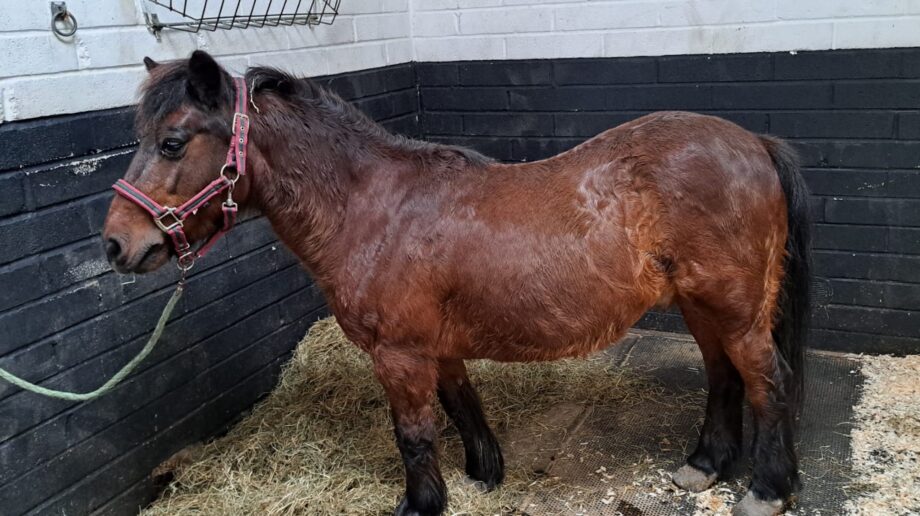
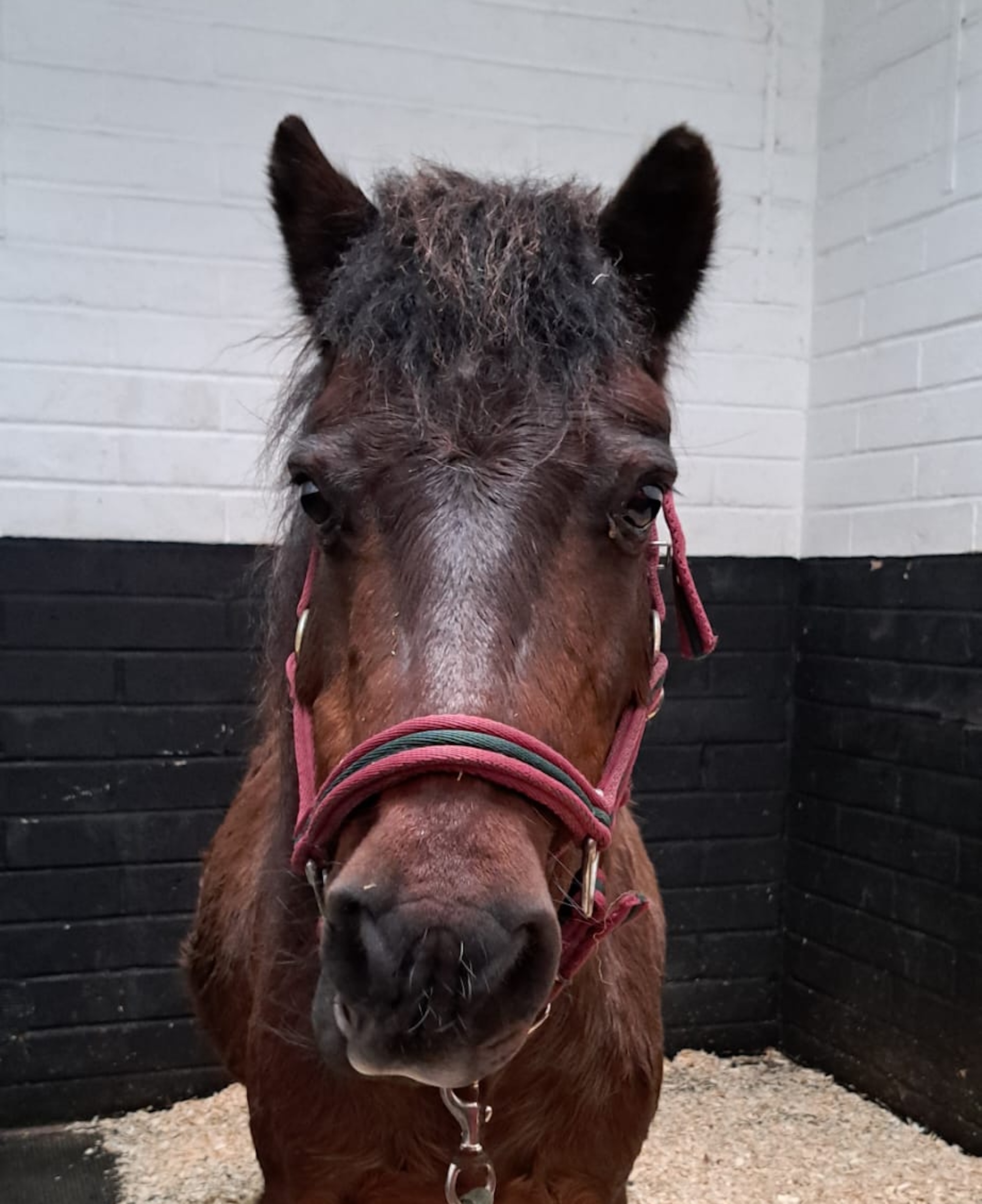
Spider, who was not microchipped, was found having been abandoned on private land, and taken to HAPPA’s Shores Hey Farm for veterinary evaluation.
“What was discovered could not be ignored,” the spokesperson said. “Spider was elderly and burdened by a cascade of severe health issues, advanced Cushing’s disease, laminitis, extreme lameness, COPD and asthma, and a thickening in his right eye that threatened total vision loss.
“The cumulative effect of these conditions meant that Spider was in unrelenting pain and respiratory distress. Each new diagnosis revealed more clearly why he may have been rejected by whoever had cared for him before.
“HAPPA’s equine team and veterinary partners initiated a stepwise care protocol, stabilisation, pain management, diagnostics and assessment of his quality of life. But it soon became tragically evident that Spider was beyond recovery.
“Over time, his laboured breathing worsened, his mobility declined further and his pain was unrelenting. No treatment could reverse or halt the combined progression of his diseases in a way that would restore comfort or dignity. The decision to euthanise was not taken lightly, but in the interest of preventing further suffering, it was ultimately the kindest, most responsible choice.”
HAPPA head of equine operations Amanda Berry said that from a horse welfare perspective, “Spider’s case was one of the most complex and heart-wrenching we have encountered”.
But the charity added that his case is far from unique; HAPPA has seen a 33% increase in horses seized from owners “unable to cope”, 40% of these cases involve abandonment.
The 2020 report Britain’s Horse Problem, published by seven equine welfare charities, found that the horse crisis at the time was the result of a “broken system”, and said more responsible ownership, rules and enforcement were needed to “break the cycle of suffering”.
“Rescue charities are still operating in crisis mode and demand is outstripping capacity,” the spokesperson said.
“These organisations stress common themes: overbreeding, insufficient regulation, weak enforcement and owners overwhelmed by escalating costs (from feed and veterinary care to general upkeep). Without intervention, they warn the crisis will deepen, stretching the limited capacity of rescue and rehabilitation charities.”
Frustrating rescue attempts
HAPPA said charities have also been frustrated by “‘rescue attempts’ by well-meaning but under-resourced individuals, which sometimes exacerbate situations rather than resolve them”
The charity is citing the need for responsible ownership; owners must plan for horses’ long-term care, including during financial hardship.
“Charities encourage early rehoming, discussions with welfare groups or adoption through sanctuary networks rather than abandonment,” the spokesperson said.
“Local authorities must be empowered and resourced to implement equine welfare laws fully; legislation is only as good as its enforcement. Donations, sponsorships, volunteering and public advocacy are critical to sustaining rescue operations and relief capacity.
“Charities often provide advice or support to owners who are struggling before neglect becomes abandonment. Early help can prevent heartbreak later.”
Not miracle workers
HAPPA CEO Sarah Arthur said welfare charities exist partly to step in when owners fail or experience crises but “we are not miracle workers”.
“Spider’s story is a painful reminder that abandonment is not a random tragedy, it is often the outcome of systemic failure,” she said. “Under-resourced owners, weak oversight and a lack of accountability. While we grieve his loss, we must also commit ourselves to preventing such tragedies in the future.”
The spokesperson added that Spider’s story is one of many that are reminders of why the welfare charities continue their work, “standing up for the horses that others have forgotten”.
“His life, though short in HAPPA’s care, was filled with compassion, warmth and the dignity he deserved all along,” she said. “By sharing his story, the charity hopes to spark reflection and change, that no horse should ever be abandoned, neglected, or left to suffer in silence again.
“HAPPA urges everyone who loves horses to be part of the solution, by reporting concerns, supporting welfare charities and promoting responsible ownership.”
- To stay up to date with all the breaking news from major shows throughout 2025, subscribe to the Horse & Hound website
You may also be interested in:

We are all responsible for fixing ‘broken system’ that allows horses to suffer *H&H Plus*

Calls for responsible breeding to protect future equine welfare *H&H Plus*

Who is responsible for horse welfare in our industry? *H&H Plus*

Subscribe to Horse & Hound magazine today – and enjoy unlimited website access all year round