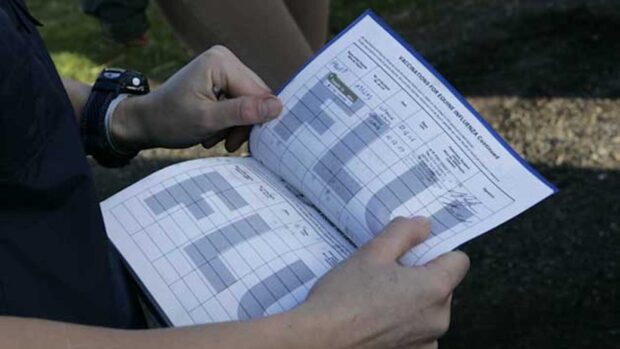
Horse owners are urged to be vigilant and ensure vaccinations are up to date after a “marked increase” in equine influenza (EI) activity.
Today (11 May), the equine infectious disease surveillance (EIDS) team at Cambridge Vet School had confirmed 52 outbreaks of EI in 32 counties, in England, Scotland and Wales, since 1 April. Only two cases were confirmed between 1 January and 31 March this year and between 1 January and 10 May last year, only one case was reported in the country.
The number of equine flu cases reported per week has been on the increase since the first week in April when there were two; there were four the following week and five the one after. There were 13 cases confirmed for each of the next two weeks, 15 between 4 and 10 May.
On 7 May, EIDS said timely reporting of cases is critical.
“The continued emergence of cases across a wide geographic area, combined with the strong association with recent horse movement, highlights the importance of movement-related risk during periods of heightened EI activity,” a spokesperson said. “EI virus can spread over several kilometres under suitable conditions; therefore infection should not be excluded in premises with no recent horse movement, particularly in regions with known local activity.”
Equine flu increase: risk-based approach
Horse and yard owners and vets are urged to take a “risk-based approach” to moving horses.
“Vigilance for early clinical signs, maintaining up-to-date vaccination status and implementing isolation protocols for new arrivals remain essential,” the spokesperson said. “EIDS continues to encourage reporting of confirmed EI cases, with permission to share anonymised data at county level. This enables the development of an accurate and timely national picture of EI activity.”
Plumpton racecourse abandoned its fixture on 10 May owing to a case of EI and equine herpes virus, in an unvaccinated horse at a livery yard next to the course.
The British Horseracing Authority’s James Given said it was a precautionary measure, taken to protect horses.
“We have also seen a significant recent rise in the number of equine flu outbreaks across the country, in the non-thoroughbred herd,” he said. “I urge trainers and teams to remain vigilant in their own biosecurity measures and be alert to the signs of infection.”
- To stay up to date with all the breaking news from major shows throughout 2026, subscribe to the Horse & Hound website
You may also be interested in:
Equine flu: what horse owners need to know during the current outbreak in Britain
Horse owners warned to be vigilant after ‘marked increase in equine flu’ cases

Subscribe to Horse & Hound magazine today – and enjoy unlimited website access all year round