Saving money on horse costs is something we’re all thinking about at the moment – and it can be really stressful. Horses are expensive and you don’t need me to tell you that. The cost of keeping a horse is more than ever, and making sure we can provide for our horses’ needs is at the top of every owner’s priority list.
I’ve pulled together a range of money-saving ideas for horse owners – some are small, whereas others are big changes to daily life – however, not all will be applicable or possible for every owner as each horse and situation is different. Instead, I hope they might be food for thought and maybe spark an idea that will help you.
How to save money on horse costs and bills
1. Track your spending
Record what you’re spending. This might feel daunting or overwhelming, but it will help you understand where the majority of your horse’s expenses are. You can then focus on cutting costs in manageable areas.
I find it really helpful to allocate my horse an “allowance” each month. When I get paid, he gets this allowance in a separate account or saving pot, which means that no matter how poorly I budget in other areas of my life, he never goes without. But it also helps me track and manage his costs.
His personal monthly budget covers all his essential costs throughout the year, from livery and hay costs to dentist visits and insurance, so I never have that panicky feeling when vaccinations are due, for example – the money is already there. Some months he’ll have surplus – for example, if there’s no farrier visit – but I know that will roll over and be used when he’s due for something else. It all evens out in the end and I never feel like I’m spending extra because his allowance costs me the same each month.
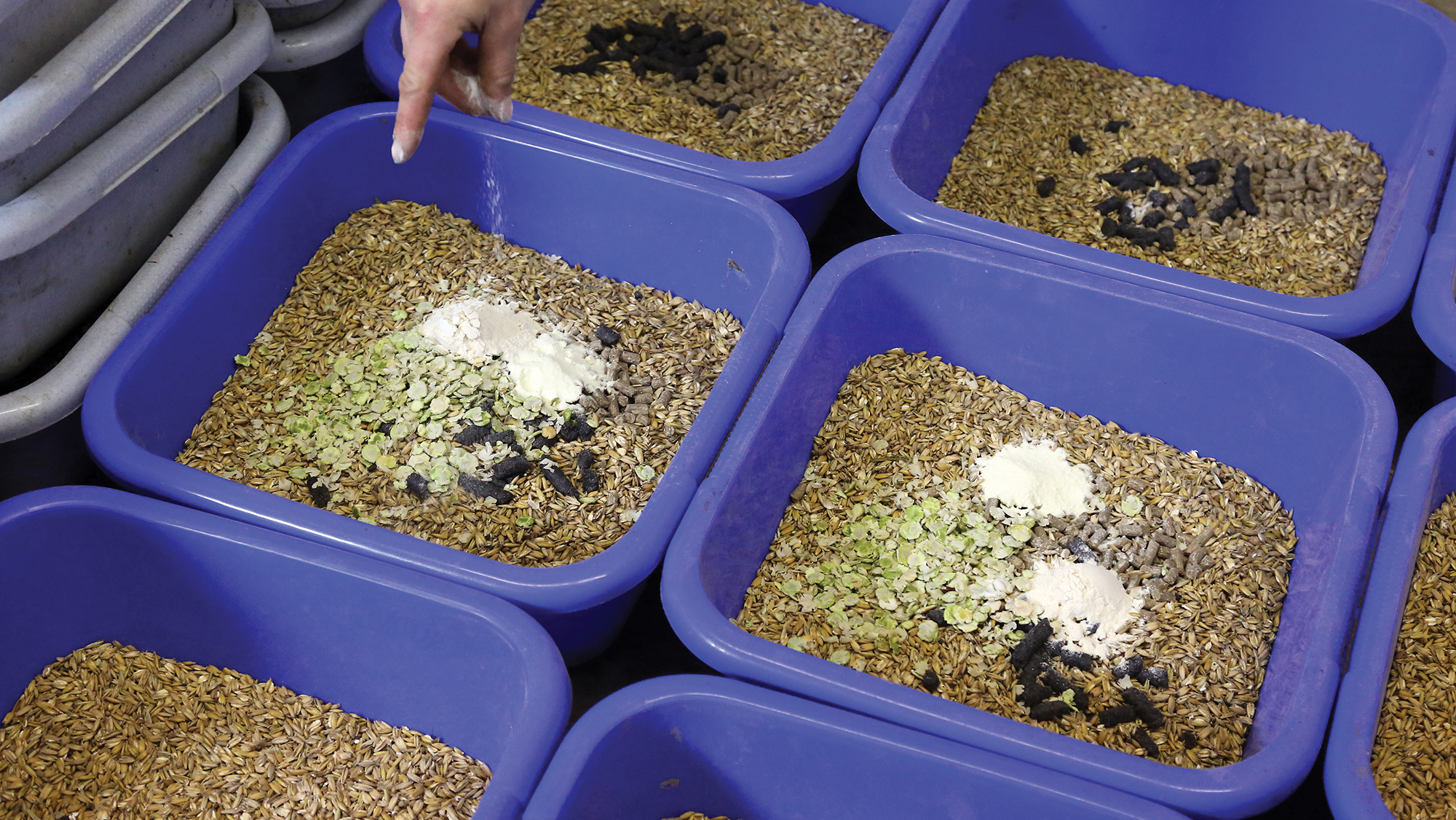
Think about whether your horse needs everything you’re feeding him
2. Review your feeding
The majority of horses manage well on a forage-based diet and, if necessary, one broad-spectrum vitamin and mineral supplement, feed balancer or fibre-based complete feed. Your vet or an equine nutritionist can advise whether or not your horse needs additional feed or supplements and how you might be able to save money on feed.
If your horse has extra needs, a nutritional helpline (which is free) will be able to advise you where you might be able to cut costs. A few years ago, I sought this advice and went from using a feed balancer and a joint supplement, to a senior balancer that already contained the joint support – and although the senior balancer is more expensive per bag, it works out less over time.
There are, of course, lots of things to consider when changing your horse’s feed and for another horse the answer might have been to forgo the balancer and feed a chopped fibre with an added supplement. Every horse has their own requirements, and different products will provide varying levels of active ingredients, which is why it’s best to seek nutritional advice specific to your horse.
3. Reduce wastage
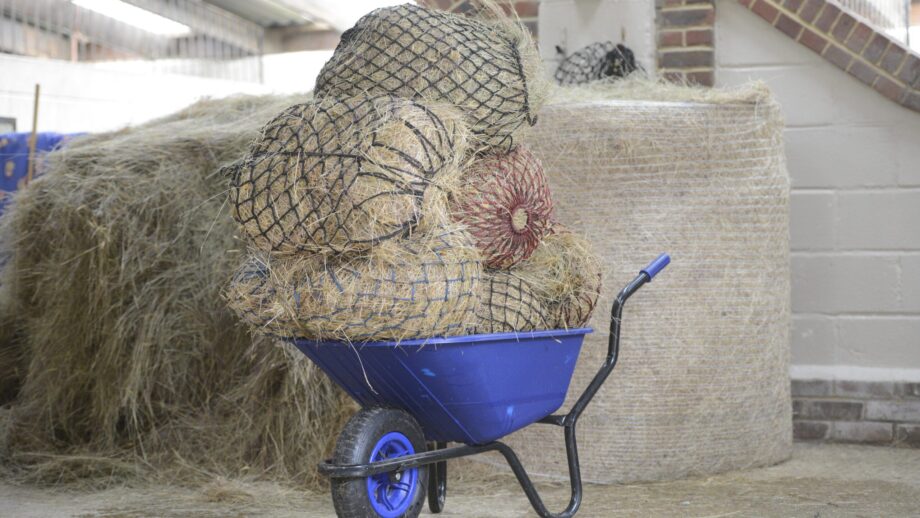
If your horse tends to waste its forage, then make sure you are only feeding as much as they are likely to eat, while not leaving them without any forage at all for long periods as this carries a risk of causing gastric ulcers. Also consider whether feeding the forage in a small-holed haynet or slow feeder would save you more money in the long run. Check out more tips for saving money on hay.
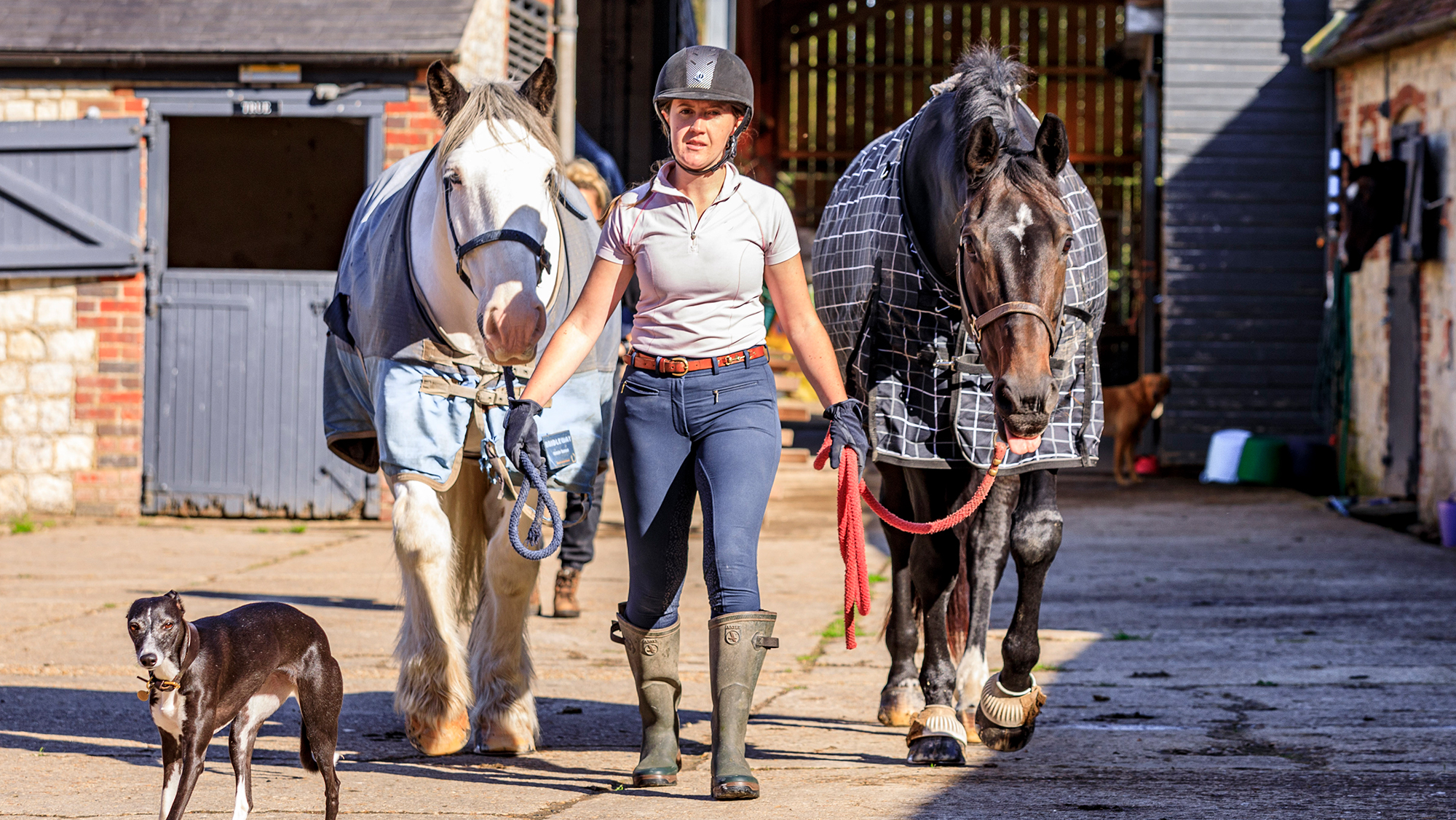
Share jobs with fellow liveries to save money and time
4. Save money on livery and daily horse care
Consider whether you really need everything you’re paying for at your livery yard. If you are paying for someone else to provide all or part of your horse’s day-to-day care, you may be able to reduce costs if you were able to do more yourself, even on a temporary basis. However, if this means you visiting the stables more frequently than you do now, make sure you consider the cost and time involved with this extra journey.
If your yard allows, share daily jobs, such as turning out, with your fellow liveries.
Ask about flexible livery packages – for example, would your yard allow your horse to live out full time during the summer at a cheaper rate, then be stabled during the winter? If you think your horse would do well on permanent turnout, it could be worth looking around for a suitable grass livery or renting a field, but consider how you would ensure your horse’s needs were met if you were taken ill.
Also consider whether you need all the facilities offered by your yard (horsewalker, arena, etc), or would a yard with fewer facilities be sufficient? Either way, keep an eye out for added extras. Understandably, most yards charge extra for using the horsewalker, solarium or lights in the arena, for example, to cover the costs of the electricity. As these charges can add up, make sure you keep track of what you’re spending so you don’t get an unpleasant surprise when your livery bill arrives.
5. Shop smart and buy in bulk
Shopping around for hay and bedding, and buying directly from a local farmer rather than through an equestrian retailer, can be a good penny saver. In particular, buying hay directly off the field after it has been baled (you will have to be able to collect it) can result in major savings.
Wormers are another item where you can save by buying in bulk, although it’s vital that you worm count first – which could save you even more money if the test shows your horse doesn’t need de-worming after all.
Research the different types of horse bedding on the market and shop around as it may be cheaper to buy in bulk direct from the supplier if you have room to store it, rather than as and when you need it via your local feed merchant.
And while fitting rubber matting requires a significant initial financial investment, it can pay for itself in reduced bedding costs over time.
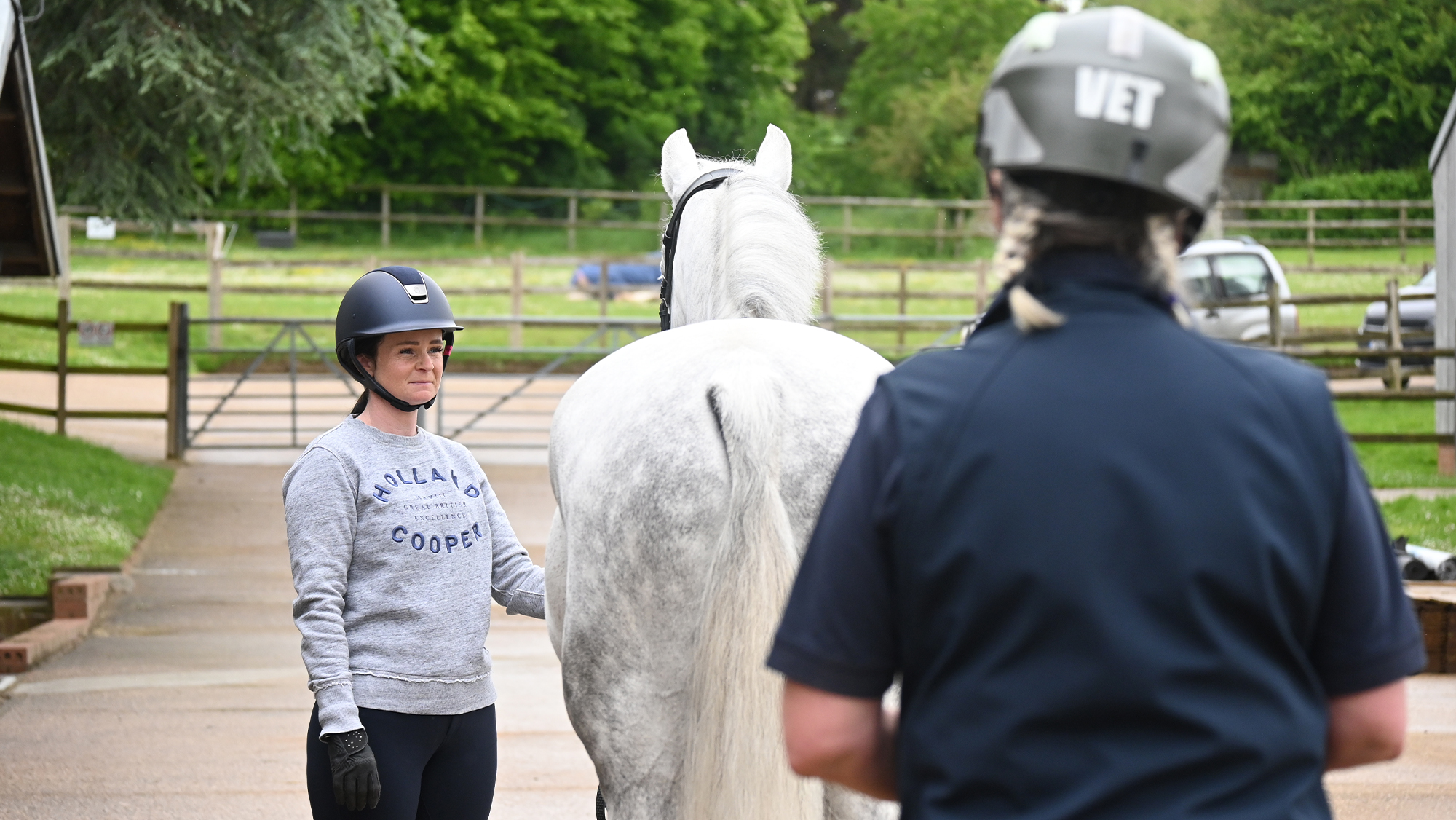
Arrange for group vet visits so that you can split the call-out fee
6. Save money on professional care
While we absolutely do not want to promote scrimping on your horse’s care – these professionals are essential to your horse’s wellbeing – there are some ways you can do this for less to save money on horse costs.
Organise communal visits and ask for discounts. Some veterinary practices offer free yard visits to a particular area on specific days for routine tasks, such as vaccinations. Even if you can’t benefit from a free call-out, teaming up with other owners for routine appointments, including the vet, farrier, physio and equine dental technician, can typically save you a fair amount of cash.
7. Check in with professionals about your options
For example, investigate shoeing options with your farrier; you may find your horse doesn’t need to have a full set of shoes all year round. And if there is not much wear on the shoes, your farrier may be able to refit them rather than replace them. You may also be able to go an extra week between appointments at certain times of year.
But remember that money saved in the short term by switching to use a cheaper farrier, or regularly extending the periods between shoeing visits, may be short-sighted, so a little extra spent each time could save you a lot in the long run if you avoid vet bills resulting from poor hoof balance.
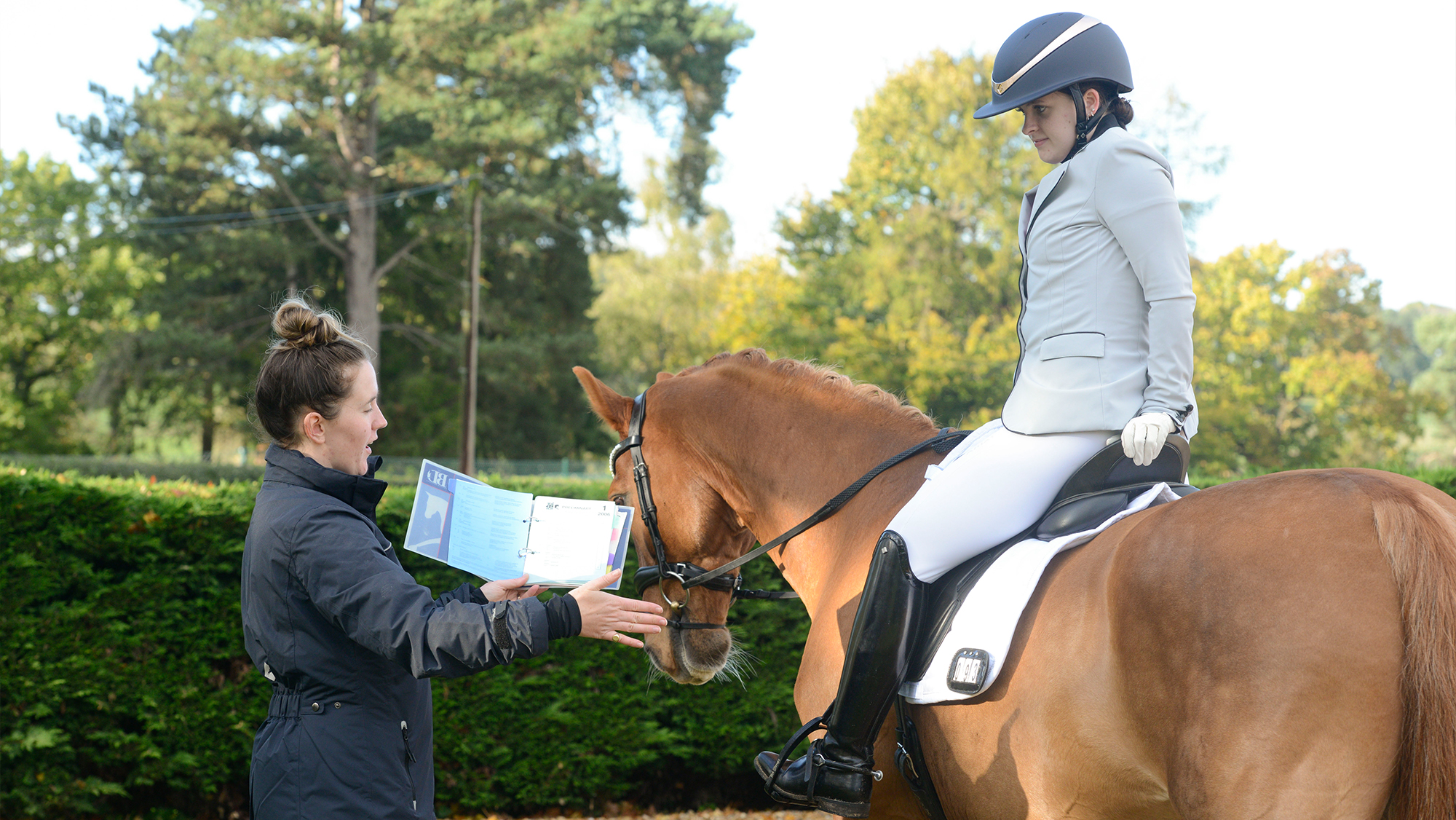
Alter your lesson frequency or team up with friends to have a group session
8. Save money on lessons
Whether you travel to your trainer’s yard for lessons or have your trainer come to you, by having a shared or group lesson you can keep the cost down, which may allow you to train more frequently. Having a riding ‘buddy’ also means you can be ‘eyes-on-the-ground’ for each other, helping you both to progress in between training sessions.
If you currently see your trainer routinely but need to save money on training, ask if you could replace every other in-person training session with either a remote training session if you have the necessary kit or a virtual session. This usually involves supplying a video of you doing a pre-agreed exercise or movement and then the trainer gives feedback via a phone or video call that you can use to improve the performance before your next in-person session. During the pandemic many trainers diversified to offer these types of training and they may be a cheaper way to keep your riding on track.
9. Competition expenses
If you want to continue to pursue your competition ambitions, but need to cut costs, discuss with your trainer which are the most important competitions to target and spend the time in between training to increase your chance of success when you do compete.
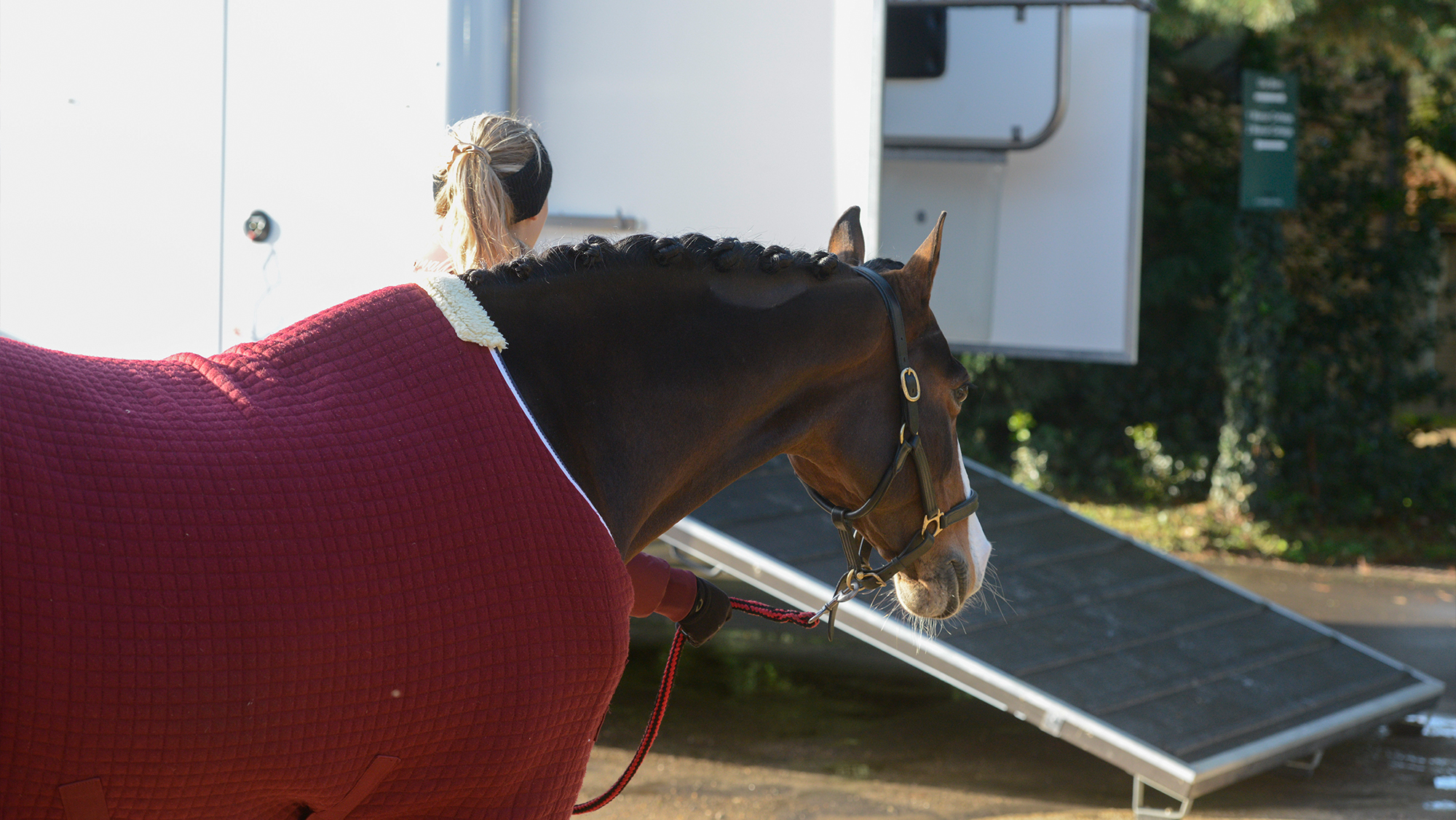
Competing and the associated travel costs are significant
10. Transport costs
Transport can be a major cost for competitive horse owners. If you have a friend who is competing in the same discipline or at a similar level, you might consider sharing the running costs of a lorry between you.
Another alternative is to choose a livery yard that holds regular competitions. Although the livery rate is likely to be higher at these types of yards, you will save yourself time, running costs and fuel, which all adds up.
If you don’t compete frequently, but own your own lorry or trailer, sit down and work out whether hiring transport would save you money in the long-run.
11. Spend less on kit
For those of us who love to shop and ensure our horses have the best of everything, working out ways to save money on kit will make a big difference.
Share equipment where possible. There is little point in investing in items that you might use only occasionally, such as a portable hot horse shower, have a chat with your friends to see if you can club together and have shared use of the equipment. Make sure you agree who is responsible for the cost of repairs and maintenance beforehand to avoid problems later on.
If you have room to store it, stock up on hay and bedding in the summer. Not only will you be prepared, but you’re very likely to save money. Just make sure you check the quality of the forage, especially if you are buying hay from the previous year’s crop.
Keep an eye out for sales, both online and in your local tack shop, as buying winter rugs during the summer and fly rugs in the autumn will also give you the chance to save – but only buy what you are confident you are going to need, rather than simply expanding you horse’s wardrobe because an item appears to be an unmissable bargain. We cover the big sales and shout out which deals are actually worth it – you can find these at Horse & Hound deals or by following us on social media.
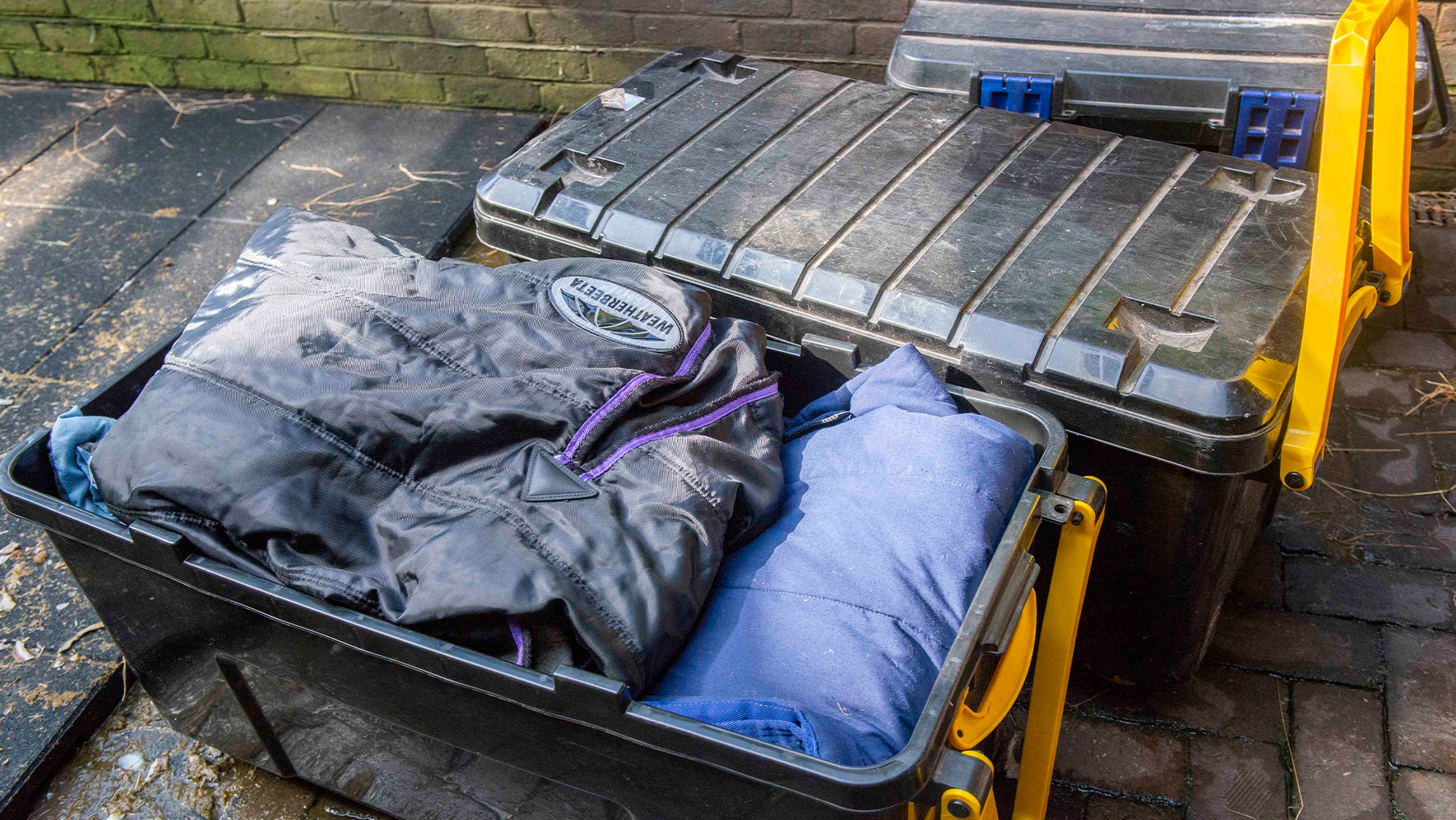
Sort through your kit and sell anything you no longer need
12. Sell surplus kit
If you have tack and equipment you no longer need, there are a number of ways of finding it a new home and earning a bit of extra cash. You can sell your unwanted horse kit online on eBay or Vinted, via social media, through ads in your local tack shop, by attending a horsey car boot/table top sale or by listing things on a board at your livery yard.
Whichever route you choose, we recommend you either do transactions face-to-face for cash or using a protected payment system like Paypal for extra protection.
13. Make what you’ve got last longer
Spending time caring for your existing tack and cleaning your riding boots will help them to last longer, reducing the likelihood of anything needing to be replaced.
We’ve put together some guides on washing rugs at home, reproofing turnout rugs and repairing rugs yourself to help you save money here, too.
It’s also worth mentioning that old quote “buy cheap, buy twice”, but more expensive does not always mean better. To help you make the best buying decisions, check out our buying guides.
Tips for managing your money
1. Know what you’re dealing with. Sit down and perform a monthly budgeting exercise each month. Be honest and realistic with yourself and include all expenditure that will occur. Visit moneyadviceservice.org.uk and moneysavingexpert.com for advice on how to pull together a monthly budget.
2. Face your debts. List all your debts and create an action plan of how/when you are going to repay these. Find good advice on dealing with debt at direct.gov.uk, nationaldebtline.co.uk and citizensadvice.co.uk
3. Consolidate accumulated debts where possible. Look for good rates of interest, especially on credit cards – there are always 0% balance transfer deals around, although check if there is a one-off charge. A number of sites can help you compare credit cards, including gocompare.com, moneysupermarket.com and comparethemarket.com
4. Struggle to limit your spending on credit cards? Lower your credit limit at the first possible chance.
5. It sounds obvious, but strive to save as much as you can where possible. As a guide, try to have a minimum of at least one month’s salary in reserve. This will help plan for the future and ensure you have a cash reserve in an emergency – for example with an unexpected vet’s bill or lorry breakdown.
6. Review your insurance policies. Are you really prepared/able to make that one-off payment should an accident occur? Consider whether it would be wiser to have a reduced excess and pay slightly more each month.
If you find that you are still struggling, we’ve collated some advice on what to do if you can no longer afford to keep your horse.
- For unlimited access to advice on how best to care for your horse, subscribe to the Horse & Hound website
You may also be interested in:
Advice for horse owners who are really struggling financially – where to find helpful information if you can’t make ends meet
8 ways to reduce your hay bill this winter

How ‘eyes on the ground’ can help with your training and save you money

Subscribe to Horse & Hound magazine today – and enjoy unlimited website access all year round