Equestrians are being warned that artificial intelligence (AI) does not replace calling the vet, after new RSPCA research considered the way pet owners use chatbots.
New data from the RSPCA’s Animal Kindness Index, the charity’s annual UK survey into public attitudes towards animals that includes the views of almost 7,000 people, found that 10% of pet owners are routinely using AI for advice and support in looking after their animals.
The RSPCA is concerned that increased reliance on “conversations” with AI could lead to complacency from owners and untreated illnesses in animals.
The most common reasons people seek help from AI tools such as ChatGPT, Gemini and Grok are symptom checking for ill pets (62%), advice on behaviour and body language (49%) and dietary tips (30%).
Gemma Hope, RSPCA assistant director of policy, advocacy and evidence, warned that this could spell “an inadvertent ticking time bomb”.
“Whether we like it or not, AI is a game changer – including for animal welfare,” she said. “And it can be one of many helpful tools responsible pet owners use to understand their animals, or to get tips on things like enrichment, play time ideas and more.
“But we’re worried that, with so many pet owners now using large language models to check the symptoms of poorly pets, or query behavioural challenges, this could be an inadvertent ticking time bomb for animal welfare.
“AI chat bots cannot physically examine an animal, check their bloods or understand the fast-moving changes that occur when a pet is in pain.
“However good or clever AI may seem, if someone is in doubt about their pet’s health or notices rapid changes, it’s vital to reach out to a vet immediately.”
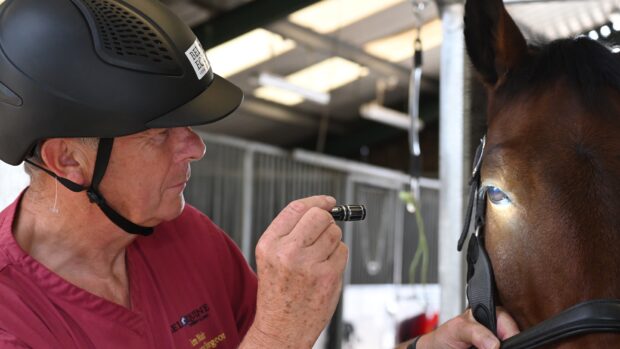
Lucy Grieve, veterinary projects officer at the British Equine Veterinary Association (BEVA), told H&H artificial intelligence “can be a useful tool for accessing general information, but it cannot replace a veterinary examination”.
“Horses cannot tell us how they are feeling, and diagnosis often relies on physical assessment, diagnostic tests and professional clinical judgement. AI-generated advice may not always be accurate or recognise when an apparently minor problem is actually a sign of serious disease.
“We would encourage owners to seek advice from their veterinary practice whenever they have concerns about their horse’s health or welfare.
“Digital tools, including video consultations, can support veterinary care in some situations, but they work best when used as part of a professional veterinary service rather than as a substitute for it.”
CBBC presenter and small animal vet Rory Cowlam, who has backed the RSPCA’s call, highlighted that there is a “massive difference” between a vet using clinical AI tools to support an examination, and an owner using a chatbot to skip one entirely.
“AI can be a great tool for brainstorming general pet tips, like how to keep your pet entertained, or enrichment ideas. But when your animal is genuinely sick, a chatbot is not where you should be looking for advice. If in doubt, log out from AI and reach out to a professional,” he said.
- To stay up to date with all the breaking news from major shows throughout the year, subscribe to the Horse & Hound website
You may also be interested in:

‘We’re delighted to bring loyal readers this benefit’: H&H magazine subscribers get free website access
Potential pitfalls: how to keep yourself and others safe when using AI to benefit your horse

How AI is changing the game in what we know about our horses
‘He was sometimes sleeping five times what he normally would’: the insightful AI data behind Jagerbomb’s World Cup recovery