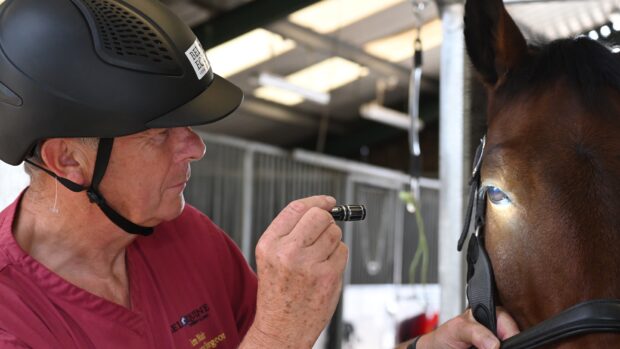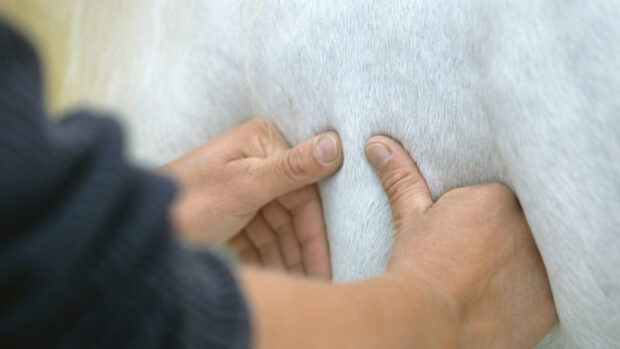
Owners are reminded of the need to be vigilant to prevent strangles, however healthy horses look, owing to a “concerning” increase in diagnosed cases.
Biosecurity and precautions are key, experts agree, as 274 cases had been recorded in 2026 by 23 June. The geographical spread covers Northern Ireland, Scotland, Wales and much of England.
Using data from the Surveillance of Equine Strangles (SES), strangles vaccination manufacturer Dechra calculated that if strangles continues to be diagnosed in line with current rates, there will be 600 cases confirmed in 2026, a rise of nearly a quarter from 2025.
Helen Whitelegg, campaign manager of Redwings, which runs the annual strangles awareness week, told H&H: “Redwings is concerned about the current increase in both equine flu and strangles and is grateful to the vital surveillance work carried out by [Equine Infections Disease Surveillance] EIDS to help us all identify and address these trends.
“It’s notable that of the 274 strangles cases recorded, just over a third of those horses were clinically ill. This reinforces how important it is to use good biosecurity and sensible precautions regardless of how healthy a horse looks.
“We know an infectious disease diagnosis can cause real anxiety in horse owners and yard managers. In addition to concern for the health of the affected horses, people often face restrictions in their daily lives and plans for the coming weeks and uncertainty over how long the outbreak will last and how much time, effort and cost will be involved.”
Ms Whitelegg stressed the BEST protocols: boost immunity by vaccinating, engage with trusted information, separate unfamiliar horses and temperature check as routine.
“We also want to acknowledge all the yards who communicate openly when disease strikes and who work as a team with their vet to tackle an outbreak responsibly to eliminate the disease and take action to protect themselves from future risk,” she said.
Vet Mary Battersby of Dechra added: “Equine flu and strangles spread rapidly and can bring the equine community to a standstill.
“Good biosecurity and preventative measures are essential to help tackle both diseases, particularly in light of owners traditionally being out and about more with their horses over the summer.”
- Enjoyed reading this? For more expert training advice from top riders and coaches, subscribe to the Horse & Hound website
You may also enjoy reading:
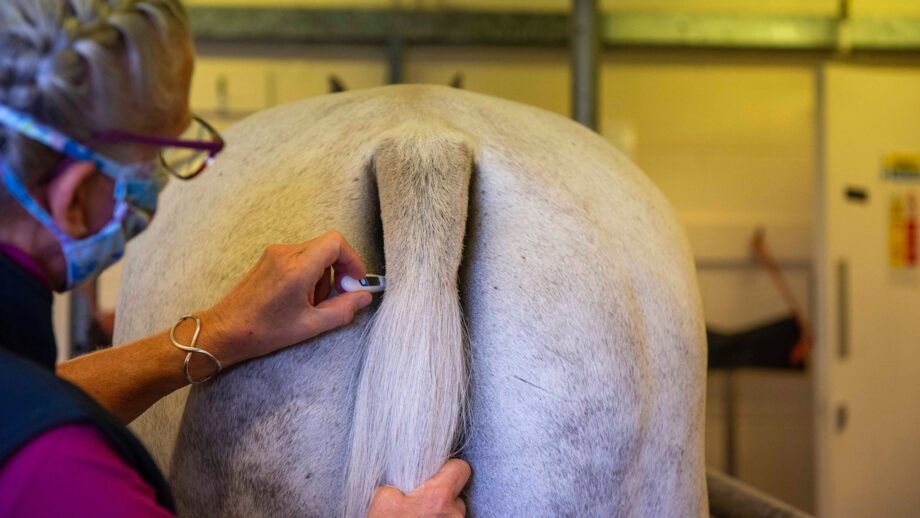
Horse world urged to act after more than 100 strangles cases recorded this year

Dealing with strangles – the human impact of managing an equine outbreak
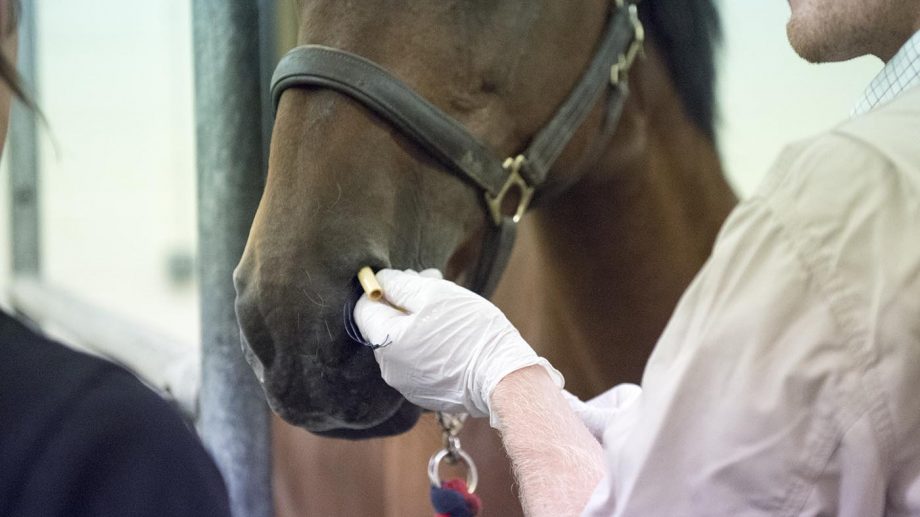
Strangles: what is it, how to spot the signs, plus a new vaccine to help protect your horse
Equine flu: what horse owners need to know during the current outbreak in Britain

Subscribe to Horse & Hound magazine today – and enjoy unlimited website access all year round