The forthcoming ban on young people using social media has pros and cons for the equestrian world, it is believed – and there will be opportunities as a result.
The Government announced on 15 June that the ban for under-16s would come into force next spring, with the aim to “give kids their childhoods back”.
Ministers cited evidence that social media is linked to mental health issues, and said the ban would combat exposure to dangerous content, block “addictive” activities and help prevent online bullying and grooming.
Sylvia Bruce, charity Riders Minds mental health consultant, told H&H the ban has positives and negatives for equestrians.
“Social media can create unrealistic expectations, for example about riding ability, apparel, success, body image and horse ownership,” she said. “A ban could reduce anxiety, pressure, and stress to seem perfect, and avoid harmful ‘comparison traps’.
She said a ban could help young riders focus on learning more from qualified professionals rather than copying unsuitable viral trends, adding: “Developing horsemanship skills builds confidence and resilience, supports growth, development and overall wellbeing, a win-win for both horse and rider welfare.
“A ban could help protect against pressure to take sponsorships, secure brand deals, post constantly, be exploited for profit and avoid ‘comparison traps’ with others online. Equestrian content can fuel negative comparison, online criticism and pressure for followers and likes. A ban would remove contributory factors to poor mental health, such as seeking online validation and avoiding cyberbullying.”
But, Ms Bruce added, lack of access to social media could limit community engagement, support and communication; sites can help young riders connect, and a ban could “increase isolation, loneliness and disconnection”, as well as reducing education and inclusion
Social media ban could mean less learning
“Many riders learn from online demonstrations, welfare advice, tack reviews, training ideas and event coverage,” she said. “A ban would remove valuable access to knowledge, inspiration, learning and participation opportunities, especially of marginalised groups.
“And comparison inspires and motivates too. A ban removes access to the positive, informative and encouraging voices in the equestrian community. The ban limits access to education, knowledge, growth opportunities and personal development, all vital for better mental health.”
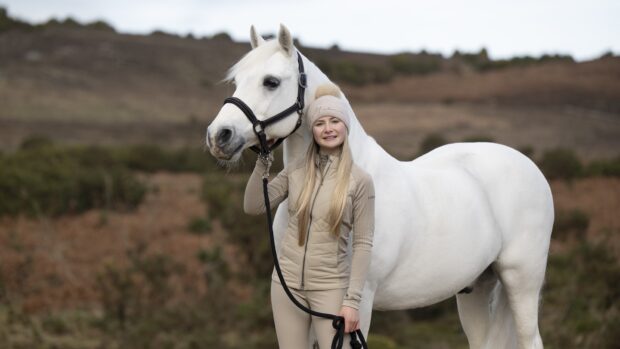
One of the original equestrian influencers is Esme Higgs, who started sharing videos of her pony on YouTube aged 15. Ten years on, she has 1.12m subscribers.
Esme told H&H only 10% of her viewers will be affected as the rest are over 16.
“I’ve always made my content wholesome, so anyone of any age can watch it, but also, I edit and film my own videos and I’ve got to find them entertaining as well at 25!” she said.
“I find there are a lot of families that watch my videos together, which I think is so lovely; it’s something the whole family can sit down and watch and enjoy.”
Esme added that most of her videos are long-format; she said she understands the desire to ban the short-format TikTok-style clips that can be addictive but hers are more like episodes of a television show. Hers are also all on YouTube Kids, which was designed to be safer and suitable for children and is not covered by the ban.
She also pointed out Instagram already has accounts specifically for teenagers, which have more restrictions and parental control.
Unregulated alternatives
“The thing that worries me is that all these kids will probably find some alternative to talk on or post videos on, which isn’t regulated and doesn’t have these protections,” she said.
“I agree something was needed; maybe a time limit as people spend so many hours on social media rather than the real world but we’re in a cost-of-living crisis and doing things is expensive.
“I feel very conflicted; I understand how social media can be such a community for some people. For some people, they might be having a bad day or have a bad home life, and my world of ponies that they can go to after school is a safe place and educational.”
Esme added that her videos are on Spotify, and she is considering a standalone website.
PR professional and social media expert Rhea Freeman agreed that some influencers may want to consider other options.
“People who are or have a target audience under 16 need to actively look at ways to keep their audience engaged without encouraging anyone to break the law,” she told H&H. “There are plenty of ways but they’re all very different to social media because it’s likely to involve platforms such as websites owned by the influencer, which will require marketing to promote, as well as development of features people want to see, rather than posting on a busy platform to an established audience.
“For the industry in general, the same applies; brands need to start developing other areas of their marketing strategy that allow them to engage this younger audience. There’s massive opportunity here for those who do it well, through experiential marketing or hubs and safe, online spaces developed just for their audience. I think we’re also likely to see more traditional media options used by brands, because a magazine aimed at people inside this age bracket is likely to get a lot more relevant attention than posting on a platform where, legally, those people shouldn’t be anyway.”
Ms Freeman added that for brands and influencers that rely solely on social media, this is a wake-up call.
“We don’t control social media, and building an entire business and revenue stream on something that could be taken away overnight with no explanation is not a good idea,” she said. “At least with the ban, there’s a warning, so now is the time to put those plans in place and build while you can still use social media to promote what you’re doing and growing somewhere else.”
- Enjoyed reading this? For more expert training advice from top riders and coaches, subscribe to the Horse & Hound website
You may also enjoy reading:
‘The possibilities are endless’: riding school uses power of social media to fund free lessons

Warning to horse owners after ‘potentially disastrous misinformation’ on laminitis shared on social media

‘I thought if one person like me could learn more about horses, that would be brilliant’: how This Esme’s drive to make riding more accessible drew in millions of fans

Pammy Hutton: ‘If social media was shut down, life’s problems wouldn’t disappear’

Subscribe to Horse & Hound magazine today – and enjoy unlimited website access all year round