Changing our perspective on our horses could change their lives, a researcher believes, as a study found that riders’ personality traits have a significant influence on horse-centred riding and the horse-human partnership.
The research, led by Manuela Kesselmann of the FOM University of Applied Sciences in Germany and published in the journal Mensch und Pferd International, explored the effect of traits such as self-esteem, empathy and adaptability on the bond between horses and humans, and training.
The study, of nearly 500 equestrians, found that the lower the rider’s self-esteem, the more the relationship with their horse was characterised by a sense of human dominance and the less horse-centred their riding.
Professor Kesselmann told H&H the results “add a crucial new perspective to the international debate on horse welfare”.
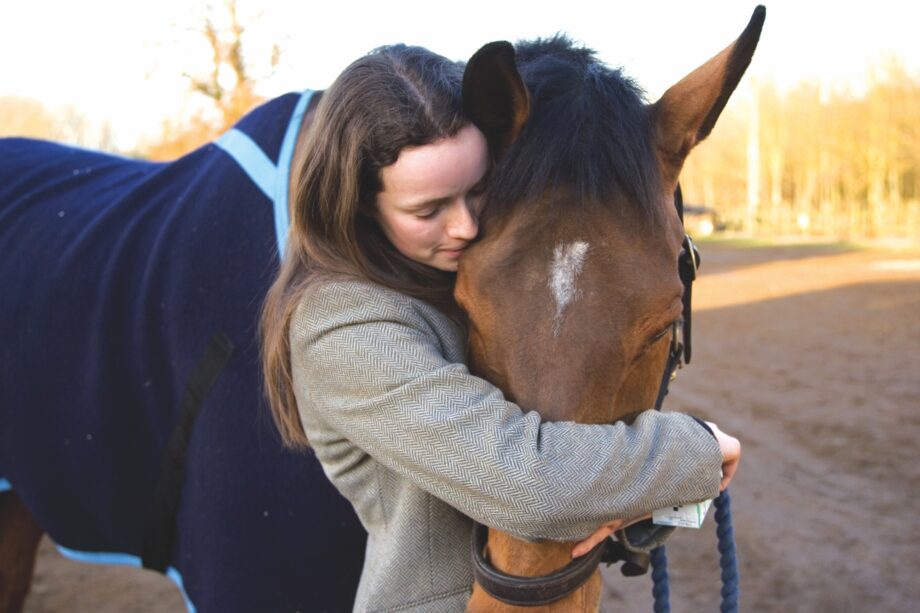
She explained that participants answered questions to determine how they viewed their horses. The study states: “Riders who perceive their horse as their best friend and source of strength more often demonstrated horse-friendly riding behaviour and a more positive horse- human relationship.”
The study found that riders who value the benefits horses bring to their lives are more likely to be empathetic towards them in training and riding.
“If we strengthen awareness of the impact of the horse on riders’ own lives and health, it’s likely people will change their view of the horse,” Professor Kesselmann said. “If they do that, this is a big lever for change.”
Differences in attitude
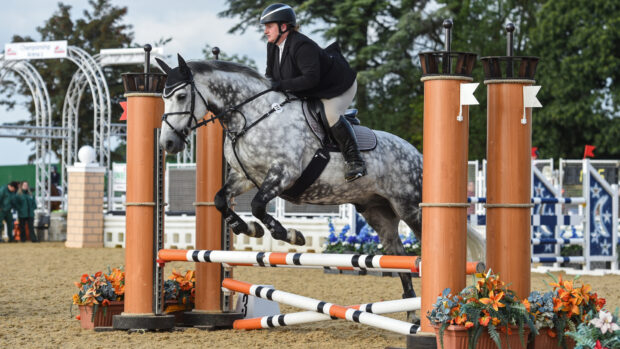
The research found significant differences in attitude between leisure and competition riders; the former tended to have more positive relationships with their horses.
“The study confirms common sense, which most scientific research does,” Professor Kesselmann said. “Competitors are competing every week or month and tend to have lower self-esteem and a poorer relationship with the horse.
“If you see some of these riders, they’re very fixated on having the rosette. And the first reaction if the horse is sick or lame is, ‘I can’t go to the show.’ These people get self-esteem from competition results, which weakens the self-esteem. If a competitive rider sees the horse as an object – that’s the mountain we have to climb.”
Riders who can adapt easily, and who actively try to improve their equestrian knowledge and skills, tended to practise more horse-centred training and have a better relationship with their horses.
Professor Kesselmann said building riders’ self-esteem from the start is key to change, but that people can challenge their own perspectives on their horses.
“A key factor for change is the perspective the rider has of his horse,” she said. “Is the horse an object, a functional object that has to fulfill success in competition? If riders go out [hacking], in my experience they experience the joy of being with the horse, but if they’re just training in the arena, for the next competition, the joy is less.
“But if you see the horse as a subject, with needs, wishes, emotions; this is the key difference. We have to train and support in every area of riding education and stables, and with parents.
“The basis of everything is your view of the horse. If it just has a function, to fulfill my needs, I’m not willing to reflect on my actions, on what the horse needs or wants. If you see the horse as a subject, we have the chance to change everything.”
Confirming observations
Harriet Goudard, a private advisor and practitioner who works with riders and senior leaders, told H&H she welcomes the research, which confirms her observations.
“The horse doesn’t respond to how we present ourselves, he responds to what we actually carry within,” she said. “Kesselmann’s finding that lower self-esteem correlates with more dominance-oriented behaviour toward horses maps precisely to what I see in the arena.
“When a rider’s nervous system is organised around proving competence, managing external judgment or compensating for patterns of not-enoughness, the horse feels it immediately. The tension in the contact, the subtle bracing in the solar plexus and hip flexors – the more overt override of the horse’s signals.”
Ms Goudard added that the fact some competition riders have lower self-esteem than leisure riders was a “striking” finding.
“Performance pressure, constant evaluation and an – often old – identity tied to results creates exactly the conditions where dominance becomes a coping strategy,” she said. “Not because the rider is unkind, but because their nervous system is programmed to need control in order to feel safe.
“The implication for training is significant, because technical instruction alone doesn’t reach this layer. What shifts the horse-human relationship at this depth is work that addresses the nervous system, somatics, epigenetics and the self-concept of the rider.
“The horse has always known this. The research is beginning to catch up.”
- To stay up to date with all the breaking news from major shows throughout 2026, subscribe to the Horse & Hound website
You may also be interested in:

The horse-human bond exemplified: combination jump cross-country – and fire – with no bridle

*Opinion* Love for the horse is our most powerful asset – we need to use it more
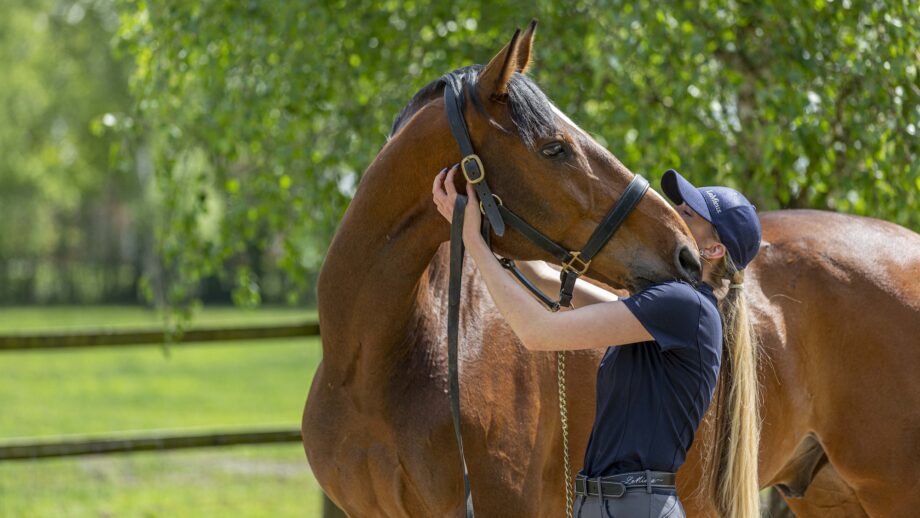
Your horse is living in your nervous system – how your mental health struggles can impact your partnership
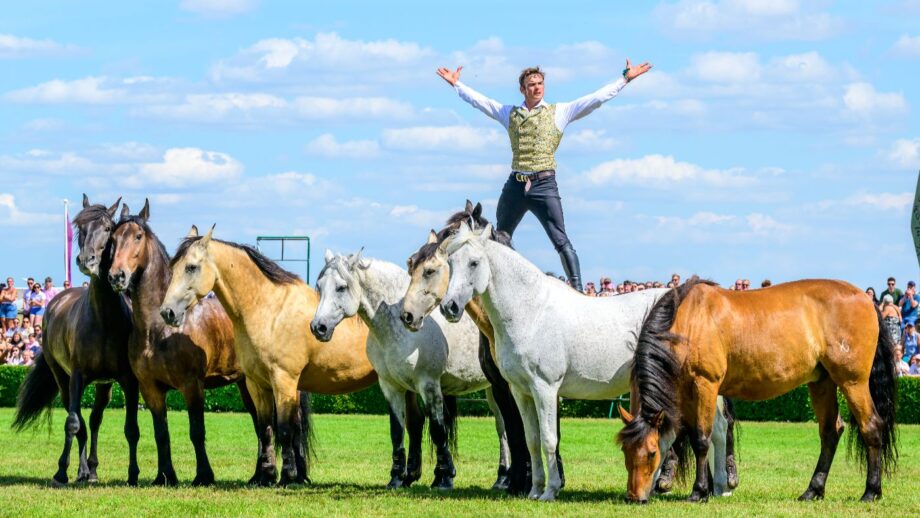
Are you and your horse in tune with each other? Trainer Ben Atkinson reveals why understanding your horse’s body language – and your own – is key to your partnership
Subscribe to Horse & Hound magazine today – and enjoy unlimited website access all year round