Could more be done to raise the profile of para dressage – and boost spectators?
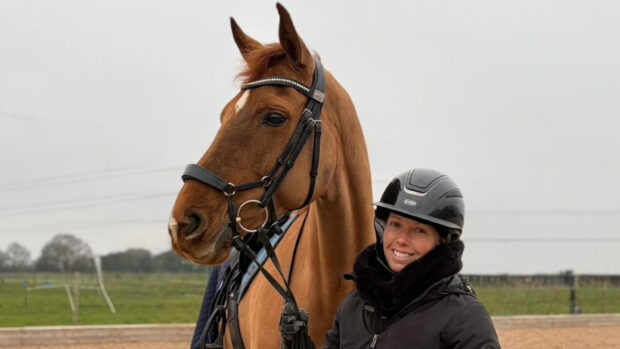
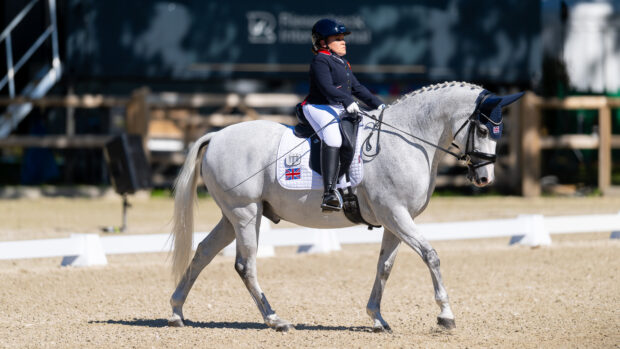
Britain has been at the forefront in para dressage, winning medals on the world stage, but closer to home Paralympic and European medal-winning rider Mari Durward-Akhurst believes there is still work to be done on increasing awareness of the discipline as an elite sport.
Mari has made it her goal this year to increase the visibility of her sport and has been using her social media to encourage conversations.
“When I do public speaking many people still say they haven’t heard of para dressage or don’t know anything about it, including some horsey people,” Mari told H&H.
“It’s such a fantastic sport, but it’s not talked about that much alongside dressage and I think it should be spoken about as the elite sport it is.”
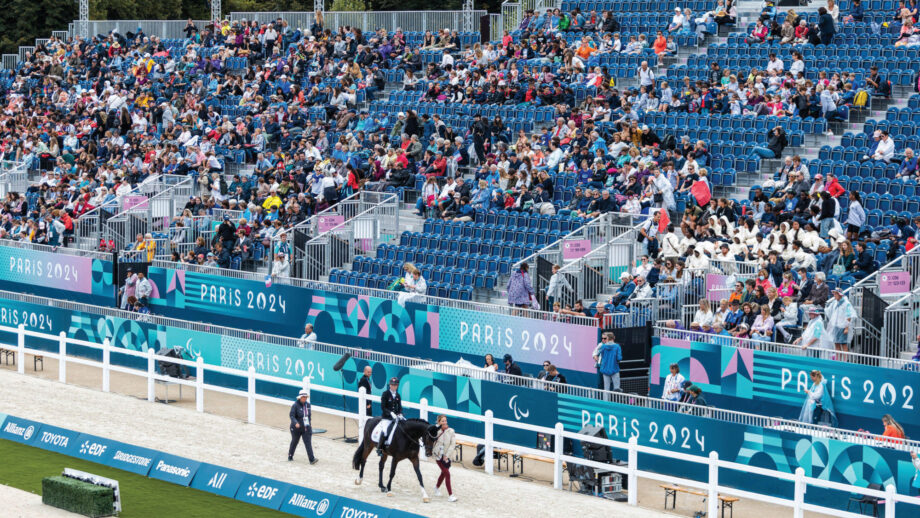
Mari would like to see more spectators at para dressage competitions.
“Some people can think para sport is a bit boring, like watching a grade one walk test, but if people came they would realise it’s not boring,” she said.
“When we competed at the Europeans in Rotterdam in 2019, the showjumping and dressage were on at the same time so we had massive crowds. People learned about para dressage and said they wanted to watch it again.”
Mari added that other benefits of raising the sport’s profile would be giving horses more experience of crowds before championships – and helping find new sponsors and owners, which has been an ongoing concern for para riders. But she acknowledged the sport is facing challenges, such as organisers’ concerns about rising costs and low entries, making it difficult for shows to be viable.
“We don’t always have the numbers; I went to a qualifier recently and I was the only grade one – so the organisers will think, ‘Why run para classes?’” said Mari.
“If we get more spectators, hopefully organisers might host us at bigger events, or be more open to para displays.”
Paralympic medallist Sophie Wells agreed, telling H&H: “There’s so much the general public can take from the sport – but it’s having the platform to do it and get people interested.
“We want to get the sport out there, we’ve got people that have amazing and inspiring stories and can be role models,” she added.
“If no one’s watching, you don’t get into that public space and then the younger generation or people at home who maybe have a disability and don’t think anything is possible don’t see what can be achieved and what some of our riders overcome.”
Last year Olympic dressage rider Spencer Wilton became technical advisor to the British para dressage team and attended the Europeans in Ermelo.
“For me personally, getting to know the riders and understanding not only their abilities and disabilities but some of their day to day challenges has been extraordinary,” Spencer told H&H. “Very few people really see and understand what goes on behind the scenes.
“I think in para dressage we’re maybe lacking riders’ stories – people know all about the Whitakers or Laura Collett for example. People love to get to know riders, they become personalities and characters, and I think this could be a good way to get more people interested.”
Hartpury hosts some para fixtures alongside able-bodied competitions, and event organiser Kathryn Cadoux-Hudson told H&H spectators can be a challenge across the board, especially with people using live streaming.
“I agree raising the profile of riders could help, and maybe more could be done to explain what the different grades mean as that is maybe difficult for the general public to understand. Having more awareness and understanding could help with interest,” she said.
British Dressage (BD) communications manager Camille Peters told H&H that BD is “deeply committed” to raising para sport’s profile.
“It is very much part of our identity, and we are immensely proud of the achievements of our athletes over the last 30 years since para dressage was introduced to the 1996 Atlanta Paralympics,” she said.
“At national level, with the exception of the National Championships, all of our major para fixtures are free to attend and are promoted through the BD newsletter and live shows system — we would welcome even more spectators to come along and support our riders and venues.”
Ms Peters added that when para and non-disabled classes run alongside each other, they have the same amount of digital coverage from BD – and para is a “key part” of BD’s magazine.
“We provide extensive live coverage on our website and social media during major championships, where senior, para and youth teams are treated equally. This parity will be seen in action at this year’s World Championships in Aachen, where both teams will receive the same level of service and support,” she said.
“While we acknowledge there is always more that can be done, especially at grassroots level, we continue to promote opportunities that strengthen the links between para and non-disabled sport – and dressage remains one of the most accessible disciplines for riders of all ages and abilities.
“In recent years we have also expanded our competition pathways to support those with non-visible disabilities through our partnership with Virtus and SportExcel, underlining our commitment to equality and diversity by providing dressage opportunities for all.”
- To stay up to date with all the breaking news from major shows throughout 2026, subscribe to the Horse & Hound website
You may also be interested in:
‘She’s gorgeous’: top British rider eyes World Championships with exciting new ride
‘I’ve gained a deep appreciation for para dressage in a short time – and I’m hooked’: Spencer Wilton reflects on his new role
Subscribe to Horse & Hound magazine today – and enjoy unlimited website access all year round